

Sebagai salah satu daerah maju di Kanada, Vancouver dikenal sebagai kota industri yang paling maju dibanding dengan kota kota yang lain. Hal ini tentu tidak lepas dari bagaimana perkembangan teknologi di kota tersebut bertumbuh pesat. Mengulik lebih lanjut tentang hal ini, usai daftar judi online terpercaya, yuk cari tahu kisah sukses bidang teknologi yang terjadi di Vancouver.
Usai Daftar Judi Online Terpercaya, Adanya Koridor Inovasi Sukseskan Teknologi di Vancouver
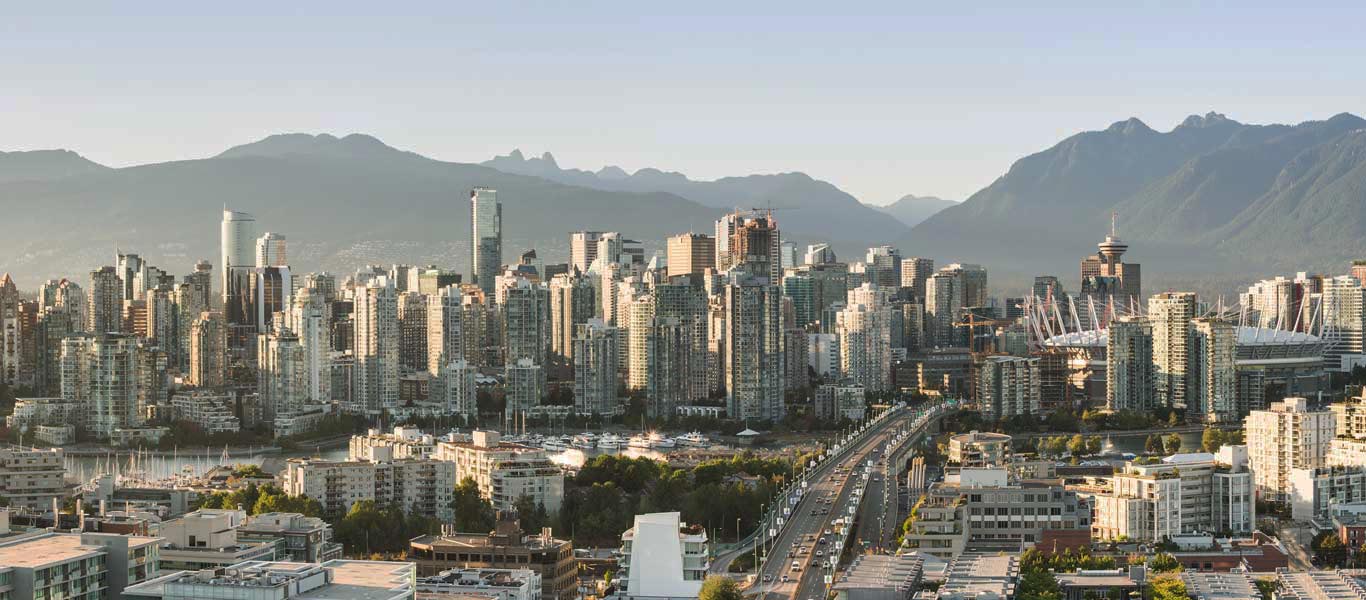
Hal pertama yang mendukung kesuksesan perkembangan bidang teknologi di area East Vancouver adalah adanya koridor inovasi yang dikelola langsung oleh Seattle sebagai pasar teknologi raksasa dari Amerika Serikat dan British Columbia sebagai inovator teknologi terdepan di Kanada. Koridor yang dinamai Cascadia ini menjadi saksi bisu munculnya ide ide teknologi kreatif secara nyata. Hal ini juga diperkuat dengan adanya casino online yang berikan cuan besar besaran sepanjang tahun.
Berdiri sejak tahun 2016, koridor ini telah bekerja sama dengan berbagai bidang mulai dari bisnis,pendidikan, pemerintahan, dan lembaga penelitian. Terbaru, Microsoft turut bekerja sama dalam mengembangkan koridor ini sebagai pusat inovasi demi terciptanya berbagai macam inovasi baru. Nantinya, hal ini diharapkan dapat berdampak pada terciptanya banyak lapangan kerja baru di Vancouver bagi pemain judi yang punya waktu luang untuk main judi di akhir pekan.
Usai Daftar Judi Online Terpercaya, Konsorsium Supercluster Sukseskan Teknologi di Vancouver
Hal kedua yang mendukung kesuksesan perkembangan bidang teknologi di area East Vancouver adalah adanya konsorsium supercluster. Supercluster sendiri adalah nama dari konsorsium tersebut yang berfokus tidak hanya perkembangan teknologi, namun juga sumber daya alam, kesehatan, dan juga perawatan. Memiliki target 50 ribu pekerjaan baru, konsorsium ini akan bekerja sama dengan poker online untuk bisa meningkatkan perekonomian dengan main judi 24 jam bebas biaya deposit.
Menjadi salah satu investor di konsorsium ini, Microsoft telah ambil andil banyak dalam perkembangan teknologi di dalamnya. Dengan nilai perusahaan sebesar 950 juta dollar, dipastikan pertumbuhan bidang teknologi di Vancouver dapat melesat pesat dalam tahun tahun mendatang. Hadirnya investor dari kalangan pemain domino99 turut diperhitungkan lantaran besaran investasi cukup fantastis mengingat hadiah utama dari permainan tersebut mencapai puluhan juta rupiah.
Usai Daftar Judi Online Terpercaya, Adanya Pelatihan AR Sukseskan Teknologi di Vancouver
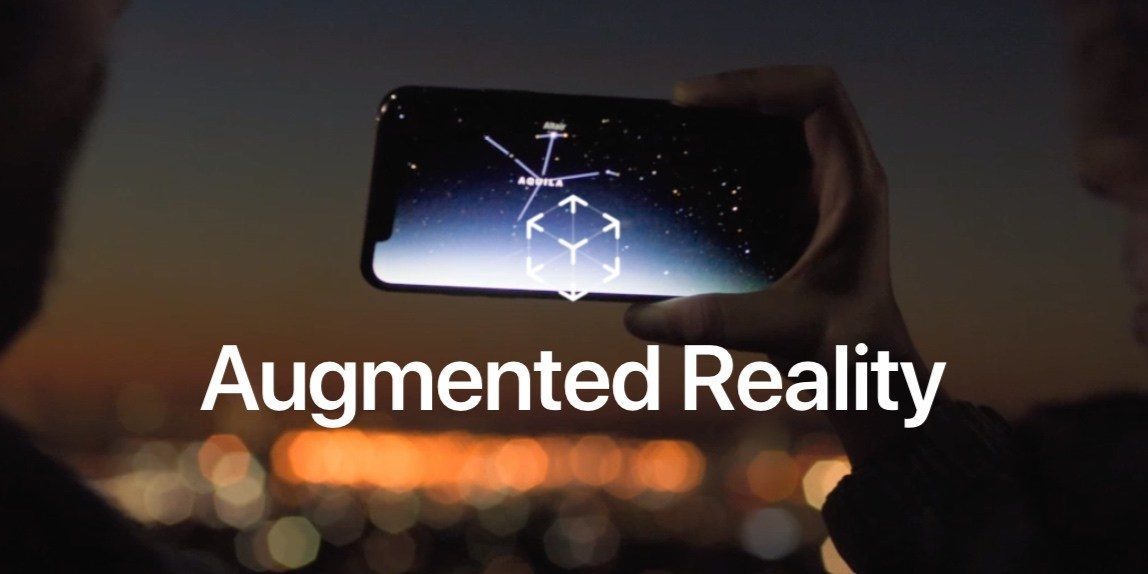
Hal ketiga yang mendukung kesuksesan perkembangan bidang teknologi di area East Vancouver adalah adanya tempat pelatihan yang diciptakan secara khusus untuk pengembangan dunia virtual seperti Augemented Reality. Harus diakui bahwa perkembangan teknologi dunia semakin cepat. Oleh karena itu, Vancouver tidak mau ketinggalan dengan kembangkan teknologi AR yang lebih inovatif. Menggandeng pemain casino online yang jago pakai trik jitu, dipercaya AR akan berkembang pesat.
Di beberapa sekolah yang memfokuskan diri pada bidang teknologi, siswa siswi dilengkapi dengan berbagai macam perlengkapan profesional untuk ciptakan inovasi melalui teknologi AR. Hal ini tentunya sejalan dengan motivasi Vancouver untuk menjadi pusat industri teknologi yang inovatif. Sembari turut mengembangkan finansial lewat bonus bonus yang ada di pragmatic online, Augmented Reality ini akan bisa berkembang pesat dalam waktu yang singkat.
Dengan berbagai macam kesuksesan yang diraih oleh Vancouver dalam bidang teknologi, tentunya hal ini membuat penasaran tentang apa yang membuatnya demikian. Seusai daftar judi online terpercaya, ketahui bahwa adanya koridor inovasi, konsorsium supercluster, dan pelatihan AR lah yang kemudian menjadikan perkembangan teknologi di Vancouver berhasil.
Cara Mudah Daftar Slot Online yang Aman dan Terpercaya
Cara Mudah Daftar Slot Online yang Aman dan Terpercaya – Bermain slot online kini semakin mudah dan tak lagi merepotkan. Anda tak perlu mencari tempat fisik untuk bermain slot, cukup dengan koneksi internet dan perangkat yang memadai. Slot online memberikan kemudahan akses tanpa harus beranjak dari tempat Anda. Proses awal untuk mulai bermain adalah mendaftar atau membuat akun sebagai tahapan pertama dalam bermain slot online.
Syarat dan Pentingnya Daftar Slot Online
Proses pendaftaran adalah langkah awal yang diperlukan. Seperti ketika Anda ingin menggunakan media sosial, Anda harus mendaftar untuk mendapatkan akun. Begitu pula dengan slot online. Proses pendaftaran merupakan tahap awal untuk memulai permainan slot online. Namun, Anda hanya perlu mendaftar sekali. Seperti media sosial yang memungkinkan Anda untuk mendaftar sekali dan kemudian dapat login kapan saja, situs slot online juga demikian. Anda hanya perlu mendaftar sekali dan bisa login saat sudah memiliki akun. Registrasi ini khusus untuk pemain baru, dan setiap pemain hanya perlu satu akun untuk bermain slot online. Proses pendaftaran slot online cukup mudah dan tidak terlalu rumit untuk dilakukan sebagai tahap awal dalam berjudi.
Namun, sebelum membahas lebih lanjut tentang cara daftar slot online, penting untuk memahami fungsinya. Seperti yang disebutkan sebelumnya, registrasi diperlukan untuk mendapatkan akun. Akun diperlukan sebagai akses utama Anda dalam bermain. Tanpa akun, Anda tidak dapat bermain slot online. Registrasi adalah kunci untuk membuka akses ke permainan dan taruhan slot online. Selain itu, akun juga penting untuk memasukkan taruhan Anda ke dalam sistem. Tanpa akun, Anda tidak dapat memasang taruhan atau bermain. Proses memilih game slot, memainkannya, bahkan menarik uang yang Anda menangkan semuanya melibatkan akun. Oleh karena itu, penting untuk memahami proses dan cara daftar slot online.
Proses Registrasi di Situs Slot Online
Proses dan cara daftar slot online tidaklah rumit. Cukup buka situs slot yang Anda inginkan dan cari menu registrasi. Anda dapat menemukannya dengan mengeklik tombol “Daftar” yang tersedia di situs slot. Proses ini melibatkan mengisi formulir dengan informasi yang diperlukan. Isilah kolom-kolom pada formulir tersebut. Pengisian formulir ini adalah bagian utama dari proses registrasi. Pengisian formulir ini tidak rumit dan tidak membutuhkan banyak waktu. Anda hanya perlu mengisi kolom-kolom yang tersedia.
Pertama, Anda akan membuat username yang akan menjadi nama akun Anda saat bermain slot online. Selanjutnya, buatlah kata sandi yang akan digunakan untuk login setiap kali Anda bermain. Informasi kontak seperti alamat email dan nomor telepon juga diperlukan. Informasi rekening bank seperti nomor rekening, nama bank, dan nama sesuai rekening juga harus diisi. Setelah semua kolom terisi, periksa kembali apakah ada yang terlewat. Setelah selesai, submit formulir tersebut dan tunggu hingga akun Anda aktif.

Manfaat Memilih Situs Slot Terpercaya
Ketika Anda memilih untuk bermain slot online, penting untuk memastikan Anda memilih situs yang terpercaya dan aman. Mengapa penting untuk memilih situs slot terpercaya? Situs yang terpercaya menawarkan banyak manfaat, salah satunya adalah keamanan. Situs terpercaya memiliki sistem keamanan yang kuat untuk melindungi data dan transaksi Anda. Ini memberi Anda ketenangan pikiran saat bermain dan melakukan transaksi di situs tersebut.
Selain itu, situs slot terpercaya juga menawarkan layanan pelanggan yang responsif dan ramah. Ketika Anda menghadapi masalah atau pertanyaan, tim dukungan pelanggan siap membantu Anda. Ini membuat pengalaman bermain Anda lebih nyaman dan lancar.
Kemudian, situs slot terpercaya juga seringkali menawarkan berbagai bonus dan promosi menarik kepada pemain mereka. Bonus ini dapat berupa bonus selamat datang, bonus setoran, putaran gratis, dan banyak lagi. Ini adalah nilai tambah yang bisa meningkatkan peluang Anda untuk menang dan memperpanjang waktu bermain Anda.
Strategi Bermain Slot Online
Ketika Anda memasuki dunia slot online, penting untuk memiliki strategi bermain yang baik. Meskipun permainan slot didasarkan pada keberuntungan, beberapa strategi dapat membantu Anda meningkatkan peluang Anda untuk menang. Pertama, atur batasan keuangan dengan bijak. Tentukan berapa jumlah maksimum yang akan Anda pertaruhkan dan berpegang teguh pada batas tersebut. Jangan terbawa emosi dan terus memasang taruhan melebihi batas yang telah Anda tetapkan.
Selanjutnya, pilih slot dengan bijak. Kenali jenis slot apa yang Anda mainkan dan pelajari pola pembayaran. Beberapa slot mungkin memiliki pembayaran lebih tinggi daripada yang lain, jadi pilihlah dengan bijak. Juga, manfaatkan putaran gratis dan bonus yang ditawarkan oleh situs untuk meningkatkan peluang menang Anda.
Tentu saja, selalu perhatikan saldo Anda. Jangan hanya fokus pada kemenangan, tapi juga atur strategi untuk mengelola saldo Anda dengan baik. Jika Anda telah mencapai kemenangan yang cukup besar, pertimbangkan untuk menarik sebagian dari kemenangan tersebut. Selalu bermain dengan bijak dan bertanggung jawab.
Pentingnya Bermain Bertanggung Jawab
Bermain slot online adalah hiburan yang menyenangkan, tetapi juga perlu diingat untuk Bermain dengan bijak dan bertanggung jawab. Jangan sekali-kali menggunakan uang yang Anda tidak dapat Anda relakan hilang. Tetapkan batasan waktu dan keuangan, dan patuhi batas-batas tersebut.
Jika Anda merasa bermain slot mengganggu kehidupan sehari-hari Anda, pertimbangkan untuk mencari bantuan. Banyak organisasi yang dapat membantu Anda mengatasi masalah perjudian. Penting untuk mengenali tanda-tanda kecanduan judi dan mengambil langkah untuk mengatasi masalah ini dengan segera.
Bermain slot online adalah pengalaman yang seru dan menghibur. Namun, penting untuk memilih situs slot terpercaya, mengembangkan strategi bermain yang baik, dan selalu bermain dengan bijak. Kenali batasan Anda dan selalu prioritaskan kesenangan dan keselamatan Anda saat bermain slot online. Semoga artikel ini membantu Anda memahami lebih dalam tentang dunia slot online dan memberikan wawasan yang bermanfaat untuk permainan Anda di masa mendatang.
Dengan demikian, inilah beberapa aspek penting yang perlu dipertimbangkan ketika Anda memutuskan untuk memulai petualangan di dunia slot online. Selamat bermain dan semoga keberuntungan selalu berada di pihak Anda!
Sekilas Tentang Perkembangan Teknologi di East Vancouver
Sekilas Tentang Perkembangan Teknologi di East Vancouver – Kanada memiliki beberapa wilayah yang menarik untuk dibahas. Salah satunya adalah kawasan East Vancouver. Kawasan di dalam Kanada satu ini memiliki berbagai hal yang menarik untuk diketahui dunia. Salah satunya tentang perkembangan teknologi yang ada di kawasan tersebut. Perkembangan teknologi suatu daerah menjadi informasi yang menarik untuk diketahui.
Teknologi memiliki peran yang sangat penting untuk pertumbuhan suatu wilayah. Baik di kota maupun di desa, keberadaan teknologi ini sangat membantu. Majunya teknologi disuatu daerah akan membuat berbagai hal di daerah tersebut semakin maju. Contohnya tentang budaya, dengan adanya perkembangan teknologi tersebut budaya di East Vancouver bisa lebih maju.
Semua aspek akan merasakan dampak dari majunya teknologi suatu daerah. Dampak yang diberikan pun beragam, mulai dari dampak positif hingga negatif. Selagi perkembangan teknologi dimanfaatkan dengan baik dan benar, maka akan memberikan dampak yang baik bagi kehidupan masyarakat.
East Vancouver menjadi salah satu daerah di Amerika yang memiliki jejak perkembangan teknologi yang baik. Laju perkembangan teknologi di daerah tersebut menunjukan laju yang sangat cepat. Teknologi yang semakin canggih ini membuat perkembangan East Vancouver menjadi maju dari sebelumnya. Tanda adanya perkembangan teknologi tersebut maka daerah East Vancouver bisa tertinggal jauh dari daerah lainnya yang ada di kawasan tersebut.
Mengenal Kawasan East Vancouver
East Vancouver termasuk salah satu daerah yang perkembangan teknologinya sangat cepat. Dibandingkan beberapa daerah yang ada di kawasan Kanada tersebut, East Vancouver membuktikan bahwa daerah tersebut menjadi daerah terbaik dalam pertumbuhan teknologinya. Hal ini bisa dibuktikan dengan kemajuan daerah tersebut yang semakin baik.
Dulunya East Vancouver termasuk daerah pertanian yang cukup luas.
Sebagian besar penduduknya memilih untuk menjadi seorang petani. Namun seiring waktu berjalan, kawasan East Vancouver tidak lagi menjadi kawasan pertanian. Kawasan East Vancouver berubah menjadi daerah yang penuh dengan teknologi canggih. Perkembangan teknologi yang dialami daerah ini mendorong para penduduknya untuk berganti profesi.
Awal Mula Perkembangan Teknologi di East Vancouver
Sebagai kawasan dengan perkembangan teknologi paling cepat membuat East Vancouver dicontoh beberapa daerah di sekitarnya. East Vancouver mampu menjadi daerah dengan laju perkembangan teknologi paling cepat. Mudahnya teknologi berkembang di daerah ini tentu didukung oleh beberapa faktor. Tanpa adanya dukungan perkembangan teknologi tidak akan secepat itu.
Awal mula berkembangnya teknologi di East Vancouver yakni dimulai dari kawasan jalur kereta apinya. Adanya jalur kereta api di daerah tersebut menjadi awal mula, teknologi di daerah tersebut berkembang. Saat berkunjung ke East Vancouver anda akan menemukan ada banyak sekali jalur kereta api yang bisa ditemukan. Dengan ada banyak jalur kereta api tersebut dimanfaatkan daerah East Vancouver untuk memajukan daerah dengan cepat.
Jika dulunya kawasan East Vancouver hanyalah kawasan pertanian dan dikenal sebagai daerah pedesaan. East Vancouver secara perlahan tapi pasti membuktikan bahwa kawasan tersebut juga bisa berubah menjadi kawasan yang lebih maju. Hal ini sudah dibuktikan dengan berubahnya East Vancouver saat ini menjadi kawasan paling maju dibandingkan kawasan yang lainnya. Jalur kereta api di East Vancouver kini juga telah berkembang menjadi gerbang untuk memiliki teknologi yang lebih canggih.
Perkembangan teknologi yang dialami daerah East Vancouver memang menarik perhatian beberapa daerah disekitarnya. Jika dulunya kawasan East Vancouver hanyalah kawasan yang tertinggal dan tidak maju, kini sudah menjadi kawasan dengan teknologi tercanggih. Walaupun sudah tidak disebut sebagai kawasan pertanian, masih ada beberapa penduduk yang memilih menjadi seorang petani.
Meskipun masih banyak jumlah petani yang bisa ditemukan di East Vancouver, para petani tersebut sudah menggunakan teknologi canggih untuk menjalankan pekerjaannya. Penerapan teknologi digital dilakukan dengan sangat baik sehingga semua bidang telah merasakan manfaat teknologi canggih tersebut. Apa manfaat teknologi canggih untuk para petani yang ada di East Vancouver?
Mungkin tidak banyak yang tahu bahwa pekerjaan pertanian juga bisa dilakukan dengan memanfaatkan teknologi digital. East Vancouver telah membuktikan bahwa majunya teknologi bisa dimanfaatkan untuk semua bidang termasuk bidang pertanian. Pola pertanian yang dulunya masih kuno atau masih sederhana, kini sudah berubah menjadi pola pertanian yang lebih modern. Majunya pengolahan pertanian di East Vancouver membuat pekerjaan di kawasan tersebut menjadi lebih baik.
Meskipun tidak seutuhnya pekerjaan pertanian dapat dilakukan menggunakan teknologi canggih tersebut, perpaduan antara semua teknologi mampu menghasilkan pola pertanian yang jauh lebih baik. Pada intinya kemajuan teknologi yang dialami daerah East Vancouver harus bisa dimanfaatkan semaksimal mungkin. Semua penduduk harus bisa memperhatikan peluang – peluang yang bsia didapatkan dari perkembangan teknologi tersebut.
Kehidupan para petani di East Vancouver dulunya mungkin masih pas – pasan atau bahkan kekurangan. Semenjak adanya perkembangan teknologi dan berubahnya East Vancouver menjadi kawasan yang lebih maju membuat kehidupan para petani di East Vancouver saat ini sudah lebih sejahtera. Kemajuan yang dialami daerah East Vancouver memang membuat beberapa daerah di sekitarnya menjadi ingin mengikuti jejaknya.
Itulah sekilas informasi tentang perkembangan teknologi yang dialami East Vancouver Amerika. Kemajuan teknologi memang diinginkan semua daerah yang ada di dunia ini. Dengan adanya teknologi yang lebih canggih, masyarakat berharap semua kegiatan bisa dilakukan dengan lebih maksimal. Daerah East Vancouver telah membuktikan peran penting teknologi dalam kehidupan masyarakat kehususnya untuk para petani. Para petani di East Vancouver kini bisa hidup dengan lebih makmur.
9 Cara Halus Teknologi Membuat Umat Manusia Lebih Buruk
9 Cara Halus Teknologi Membuat Umat Manusia Lebih Buruk – Teknologi telah begitu mendarah daging dalam masyarakat dan kehidupan kita sehari-hari sehingga sulit untuk mengingat seperti apa dunia sebelumnya. Bisakah Anda bayangkan melakukan pekerjaan Anda tanpa bantuan teknologi apa pun? Bagaimana dengan berkomunikasi? Atau bepergian? Atau menghibur diri sendiri?
9 Cara Halus Teknologi Membuat Umat Manusia Lebih Buruk
republic-news – Meskipun kita berhutang budi kepada para pemikir cemerlang yang telah memberi kita inovasi semacam itu, akan sangat picik untuk menganggap teknologi hanya sebagai anugerah bagi umat manusia. Seringkali, itu bisa menjadi kutukan, memiliki efek yang terlihat dan tidak terlihat dari jenis yang tak terhitung banyaknya pada individu, kelompok, dan umat manusia secara keseluruhan.
Baca Juga : Mengamankan Keunggulan Teknologi Amerika
Berikut adalah sembilan cara teknologi membuat umat manusia menjadi lebih buruk.
1. Menggunakan perangkat seluler dan komputer berdampak buruk bagi postur tubuh kita
Smartphone bungkuk. Meja merosot. Leher teks. Apa pun sebutannya, cara kita menahan diri saat menggunakan perangkat seperti ponsel, komputer, dan tablet tidaklah sehat.
Postur yang buruk ini tidak hanya dapat menyebabkan masalah punggung dan leher tetapi juga masalah psikologis, termasuk harga diri dan suasana hati yang rendah, penurunan ketegasan dan produktivitas, dan kecenderungan yang meningkat untuk mengingat hal-hal negatif, menurut sebuah kolom di The New York Times .
“Postur fisik Anda memahat postur psikologis Anda, dan bisa menjadi kunci untuk suasana hati yang lebih bahagia dan kepercayaan diri yang lebih besar,” tulis profesor Harvard Business School Amy Cuddy di kolom tersebut.
2. Penglihatan Anda juga dapat terganggu karena terlalu banyak menggunakan perangkat
Penggunaan perangkat digital yang berlebihan dapat menyebabkan masalah penglihatan. Penggunaan perangkat yang intens dapat melelahkan mata Anda dan menyebabkan ketegangan mata, menurut Mayo Clinic , dan dapat menyebabkan gejala seperti sakit kepala, sulit berkonsentrasi, dan mata berair, kering, gatal, terbakar, perih, atau lelah.
Penggunaan berlebihan juga dapat menyebabkan penglihatan kabur atau ganda dan peningkatan kepekaan terhadap cahaya. “The American Optometric Association menyebut sindrom penglihatan komputer ini, atau ketegangan mata digital,” menurut Mayo Clinic . “Orang yang melihat layar dua jam atau lebih berturut-turut setiap hari memiliki risiko terbesar dari kondisi ini.”
3. Insomnia bisa menjadi efek samping lain dari perangkat digital
Menggunakan perangkat Anda terlalu banyak sebelum tidur dapat menyebabkan insomnia. Itu karena panjang gelombang pendek, cahaya biru buatan yang dipancarkan perangkat digital, yang menunda jam internal tubuh Anda dan ritme sirkadian, dan menekan pelepasan melatonin, hormon pemicu tidur, menurut National Sleep Foundation.
“Semakin banyak perangkat elektronik yang digunakan seseorang di malam hari, semakin sulit untuk tertidur atau tetap tertidur,” menurut yayasan tersebut. “Selain meningkatkan kewaspadaan Anda pada saat Anda seharusnya mengantuk, yang pada gilirannya menunda waktu tidur Anda, menggunakan perangkat ini sebelum menyalakannya akan menunda timbulnya tidur REM, mengurangi jumlah total tidur REM, dan membahayakan kewaspadaan keesokan paginya. Seiring waktu, efek ini dapat menambah kekurangan tidur yang signifikan dan kronis.”
4. Teknologi itu adiktif
Menggunakan perangkat teknologi membuat ketagihan, dan semakin sulit untuk melepaskan diri dari teknologinya. Faktanya, rata-rata orang dewasa AS menghabiskan lebih dari 11 jam setiap hari di dunia digital, tulis psikolog Doreen Dodgen-Magee di kolom The Washington Post . Dia berpendapat bahwa kecanduan teknologi harus diklasifikasikan sebagai kecanduan yang dapat didiagnosis.
“Jika orang Amerika berinteraksi dengan hal lain selama 11 jam lebih sehari, saya merasa yakin kita akan berbicara lebih banyak tentang bagaimana interaksi itu membentuk kita,” tulisnya.
5. Dan teknologi membawa kita ke gaya hidup yang tidak banyak bergerak
Saat kita menggunakan perangkat selama berjam-jam, sering kali dipasangkan dengan duduk dalam waktu lama, baik di meja, di sofa, atau di tempat tidur. Gaya hidup yang kurang gerak menyebabkan peningkatan risiko berbagai kondisi dan penyakit, termasuk diabetes, penyakit kardiovaskular, kanker usus besar, dan obesitas, menurut Organisasi Kesehatan Dunia .
“Menurut WHO, 60% hingga 85% orang di dunia – baik dari negara maju maupun berkembang – menjalani gaya hidup menetap, menjadikannya salah satu masalah kesehatan masyarakat yang lebih serius namun tidak cukup ditangani di zaman kita,” kata organisasi tersebut.
6. Media sosial dan waktu layar dapat berdampak buruk bagi kesehatan mental
Bukan hanya kesehatan fisik yang terpengaruh oleh efek teknologi kesehatan mental kita juga demikian. Menurut survei nasional oleh University of Pittsburgh Center for Research on Media, Technology and Health , dewasa muda yang menggunakan tujuh hingga 11 platform media sosial memiliki risiko depresi dan kecemasan tiga kali lebih besar daripada mereka yang menggunakan dua platform atau lebih sedikit.
“Hubungan ini cukup kuat sehingga dokter dapat mempertimbangkan untuk bertanya kepada pasien mereka yang mengalami depresi dan kecemasan tentang penggunaan berbagai platform dan menasihati mereka bahwa penggunaan ini mungkin terkait dengan gejala mereka,” kata Brian A. Primack, direktur pusat penelitian.
7. Hubungan dapat dirusak oleh terlalu banyak penggunaan teknologi
Teknologi dapat berdampak negatif pada hubungan, terutama jika hal itu memengaruhi cara kita berkomunikasi. Salah satu masalah utamanya adalah kesalahpahaman lebih mungkin terjadi saat berkomunikasi melalui teks atau email, tulis dokter Alex Lickerman dalam sebuah artikel untuk Psychology Today .
“Komunikasi non-verbal, bagaimanapun, (diperdebatkan oleh beberapa orang mewakili hingga 40% dari komunikasi tatap muka kami) sama sekali tidak ada. Berhati-hatilah dengan kata-kata Anda setiap pesan elektronik yang Anda kirim, dalam konteks apa pun,” katanya.
8. Kaum muda kehilangan kemampuan untuk berinteraksi secara tatap muka
Keterampilan sosial lain yang terkikis oleh teknologi adalah kemampuan kaum muda untuk membaca bahasa tubuh dan nuansa dalam pertemuan tatap muka. Hal ini disebabkan oleh fakta bahwa begitu banyak komunikasi mereka dilakukan tidak secara langsung tetapi secara online, tulis Mark Bauerlein, seorang profesor bahasa Inggris di Universitas Emory dan penulis ” The Dumbest Generation: How the Digital Age Stupefies Young Americans and Jeopardizes Our Masa Depan,” dalam sebuah artikel untuk The Wall Street Journal .
“Kita hidup dalam budaya di mana kaum muda dilengkapi dengan iPhone dan laptop dan menghabiskan waktu berjam-jam setiap malam dari usia 10 tahun ke atas untuk berkirim pesan dari satu jenis dan lainnya semakin kecil kemungkinannya untuk mengembangkan ‘kefasihan senyap’ yang berasal dari tatap muka. menghadapi interaksi,” tulisnya.
9. Akses instan ke informasi membuat kita kurang mandiri
Hari-hari ini, kami memiliki dunia informasi di ujung jari kami melalui internet. Meskipun ini berguna, ia memiliki beberapa kelemahan. Pengusaha Beth Haggerty mengatakan dia menemukan bahwa itu “membatasi pemikiran kreatif murni, kadang-kadang, karena kami mengembangkan kebiasaan ke Google segalanya untuk menemukan jawaban dengan cepat.”
Konsekuensi jangka panjang umat manusia menjadi sepenuhnya bergantung pada bilah pencarian dan browser web untuk informasi masih harus dilihat, tetapi Matt Wallaert , mantan ilmuwan perilaku di Bing, mengatakan kepada TechRadar bahwa dia memiliki keraguan tentang prospek tersebut.
“Ketika Anda mencari ‘kapan George Harrison lahir’, apakah itu menghalangi kita untuk melihat ke dalam otak kita dan menyadari jawabannya?” kata Wallaert. “Ketika kita mencoret tindakan itu, apakah itu menghilangkan kesenangan kecil itu?”

Mengamankan Keunggulan Teknologi Amerika
Mengamankan Keunggulan Teknologi Amerika – Sektor teknologi AS terus menjadi inovatif secara unik dibandingkan dengan teman dan musuh kita sebagian, karena tenaga kerjanya termasuk yang paling beragam dan paling berpendidikan di antara negara lain mana pun.
Mengamankan Keunggulan Teknologi Amerika

republic-news – Ini memiliki akses ke alat pendidikan bintang, jaringan profesional global, dan peluang tak terbatas untuk melanjutkan pendidikan. Semua ini menjadikan keunggulan global sektor teknologi AS sebagai komponen penting dari keamanan nasional kita.
Baca Juga : Langkah Selanjutnya Untuk Memastikan Keunggulan Teknologi Canggih Amerika
Pakar keamanan nasional setuju bahwa ekonomi domestik yang kuat dan sukses sangat penting untuk menjaga negara kita aman dan berada di atas angin dalam pengembangan prosesor super cepat, perangkat bioteknologi canggih, cara adaptif untuk menghasilkan dan menyimpan energi adalah adil beberapa contoh kekuatan kepemimpinan kita. Sementara mengejar inovasi baru itu penting, melindungi teknologi ini sangat penting.
Jadi bagaimana Anda melindungi apa yang penting ketika setiap hari kita mendengar tentang teknologi lain yang menjadi korban pencurian jahat di tangan karyawan atau kontraktor saat ini atau mantan? Motifnya bisa keserakahan atau balas dendam dari individu dan atau iming-iming aktor negara bangsa, (biasanya Cina), sebagai motivasi di balik tindakan individu.
Sementara perusahaan besar dengan sumber daya yang baik dapat melakukan tindakan perdata dan terkadang kriminal terhadap individu tersebut, hilangnya teknologi utama mereka dapat menghancurkan perusahaan yang lebih kecil secara permanen. Bagi banyak orang di sektor teknologi, ide dan kemajuan terjadi begitu cepat, beberapa kerugian hanya dianggap sebagai “biaya menjalankan bisnis”.
Karyawan teknologi sering datang dan pergi dan tahu betul bahwa keterampilan mereka dibutuhkan. Pesaing selalu mencari mereka yang memiliki keahlian khusus dan mereka tidak takut untuk mengadili mereka, bahkan dalam komunitas teknologi yang terjalin erat. Musuh juga memanfaatkan ini.
Sementara dunia terus menjadi lebih terhubung, musuh tidak lagi harus bekerja sekeras sebelumnya untuk mengeksploitasi bakat AS. Karena ada dorongan yang konsisten bagi AS untuk memperoleh bakat yang diperlukan untuk mempertahankan kemampuannya dalam teknologi, AS telah berhasil menarik insinyur kelas dunia melalui imigrasi legal seperti dengan penggunaan program visa H1B.
Dalam upaya mengakses bakat secara langsung, entitas asing berdatangan di AS dalam bentuk badan penelitian perusahaan asing. Dengan kehadiran penelitian yang berbasis di AS, perusahaan asing juga memanfaatkan bakat yang berbasis di AS hanya dengan mempekerjakan mereka. Seperti perusahaan teknologi lainnya, mereka dapat menggunakan upaya untuk mengidentifikasi karyawan kunci di perusahaan minat tertentu dan “merekrut” orang yang tepat. Karyawan ini setidaknya dapat membawa serta keahlian mereka.
Instansi pemerintah termasuk Departemen Pertahanan dan Biro Investigasi Federal memiliki upaya penjangkauan aktif ke sektor teknologi yang berfokus pada mengidentifikasi teknologi penting dan membantu perusahaan untuk melindunginya secara proaktif. Namun, seringkali, pemerintah tidak menyadari secara spesifik seputar teknologi sampai ada pemberitahuan tentang pencurian atau bahkan potensi tindakan spionase ekonomi.
Setelah fakta, sudah terlambat. Bagi perusahaan yang berani melakukan litigasi panjang dan terkadang publik terkait pencurian, hal itu dapat berdampak buruk pada keuangan dan reputasi. Untuk perusahaan lain yang kurang beragam, terkadang dapat mengakibatkan pembubaran mereka.
Sementara banyak perusahaan teknologi memiliki interaksi yang sangat baik dengan komponen keamanan nasional pemerintah AS dan bekerja tanpa lelah untuk melindungi teknologi utama, perusahaan teknologi lainnya masih kekurangan pemahaman dasar. Sektor teknologi tidak dapat mengandalkan pemerintah untuk memberi tahu mereka apa yang penting dan apa yang perlu dilindungi.
Perusahaan harus terlibat dalam memahami risiko mereka sendiri seputar teknologi mereka, menerapkan perlindungan dan mendidik karyawan mereka sendiri. Perusahaan teknologi secara rutin menggunakan perjanjian non-disclosure atau perjanjian kerja yang menjabarkan harapan karyawan seputar perlindungan informasi penting perusahaan. Sementara hanya sedikit karyawan yang membaca dan/atau menganggap serius batasan perjanjian ini, lebih sedikit lagi lingkungan bisnis yang menyediakan kontrol dan struktur untuk mendorong kepatuhan.
Dalam lingkungan perusahaan yang kurang matang, dengan tujuan peluncuran produk baru yang serba cepat dan upaya untuk mengalahkan pesaing di pasar, penerapan kontrol praktis seputar informasi penting secara rutin diabaikan. Kenyamanan dan kecepatan umumnya menang tanpa banyak memikirkan keamanan. Terlepas dari perjanjian yang diartikulasikan dengan baik, beberapa karyawan teknologi menganggap ide, kemajuan, dan penemuan mereka, bahkan saat bekerja di perusahaan, milik mereka sendiri .
Sering kali dalam wawancara keluar yang mendetail, jika itu terjadi, ketika karyawan diingatkan akan kewajibannya untuk terus melindungi informasi perusahaan yang menimbulkan kekhawatiran. Kadang-kadang perhitungan ini adalah ketika karyawan keluar untuk mendirikan bisnis mereka sendiri, kadang-kadang serupa atau berjalan di seberang jalan menuju pesaing. Beberapa pesaing ini adalah bisnis asing dan beberapa dengan sponsor negara.
Perusahaan dapat mengambil tindakan untuk lebih melindungi informasi penting mereka serta karyawan mereka. Mereka dapat sepenuhnya memeriksa karyawan sebelum menawarkan posisi kepada mereka, mencari masalah seputar integritas dan kepatuhan. Mereka dapat memberikan pelatihan keamanan dan menerapkan bermacam-macam alat pemantauan untuk mengidentifikasi anomali dan melacak interaksi karyawan dengan informasi sensitif. Mereka dapat mengelola lapisan alat keamanan fisik dan logis seputar informasi teknis penting untuk mempersulit akses tanpa pemberitahuan.
Lingkungan teknologi saat ini sangat menarik dan akan membantu AS mempertahankan status kami sebagai inovator dunia. Namun, kita tidak dapat mengandalkan pemerintah untuk mengetahui, atau melindungi penemuan hebat teknologi berikutnya. Sektor teknologi harus lebih disiplin dan terlibat dalam diskusi seputar realitas ancaman keamanan nasional. Meskipun kita membutuhkan teknologi untuk menjadi sukses, teknologi perlu memahami tanggung jawab yang sejalan dengan imbalannya.
Langkah Selanjutnya Untuk Memastikan Keunggulan Teknologi Canggih Amerika
Langkah Selanjutnya Untuk Memastikan Keunggulan Teknologi Canggih Amerika – Dengan sejumlah metrik—termasuk posisinya yang merosot dalam sistem peringkat inovasi internasional, ketidakseimbangan perdagangannya yang meningkat dalam industri teknologi tinggi, penurunannya dalam output nilai tambah manufaktur riil, dan kelemahan basis industri pertahanannya Amerika Serikat telah terlihat jelas kepemimpinan teknologinya dalam inovasi dan produksi terkikis.
Langkah Selanjutnya Untuk Memastikan Keunggulan Teknologi Canggih Amerika
republic-news.org – Sangatlah penting bagi Amerika Serikat untuk mempertahankan keunggulannya dalam inovasi dan produksi teknologi, terutama melawan China yang melonjak dan bermusuhan, karena memungkinkan kekuatan nasional (baik lunak maupun keras), serta ekonomi yang berkembang dan pekerjaan kelas menengah yang baik.
Untuk bersaing di dunia di mana kemajuan ekonomi dan teknologi China mengancam untuk menggantikan kepemimpinan AS, pemerintah federal harus menerapkan dan mendanai sepenuhnya strategi teknologi canggih nasional.
Tanpa strategi seperti itu, Amerika Serikat kemungkinan besar akan terus kehilangan pangsa pasar di sejumlah industri maju—termasuk kedirgantaraan, komputasi dan komunikasi, layanan Internet, ilmu hayati, material, semikonduktor, dan kendaraan—dengan implikasi negatif terhadap inovasi, keamanan nasional, dan standar hidup.
Baca Juga : Bagaimana Teknologi Telah Mengubah Amerika
Ini membutuhkan pemutakhiran pemikiran ekonomi kuno, terutama pemikiran yang menyatakan bahwa pasar laissez-fare (yang tidak dianut China) sudah cukup. Pandangan “kotak hitam” tentang teknologi dan aplikasinya ini mungkin berhasil 50 tahun yang lalu, ketika industri inovasi mewakili sebagian kecil ekonomi AS—dan ketika ekonomi China terbelakang.
Tetapi hari ini, berpegang pada pandangan hanya pasar membuat lebih sulit untuk memajukan jenis kebijakan yang diperlukan untuk secara efektif membantu para inovator dan produsen Amerika mengalahkan sistem ekonomi di mana “merkantilisme inovasi” di satu sisi dan strategi industri yang kuat dan sah di sisi lain. lainnya mempersulit perusahaan di Amerika untuk bersaing.
Karena itu, sudah saatnya Kongres dan pemerintahan Biden merangkul ide dan proposal berani yang berfokus pada dukungan penelitian, pengembangan, dan produksi teknologi canggih di Amerika.
TUJUAN UTAMA NASIONAL
Ada tiga tujuan nasional utama untuk kebijakan industri dan teknologi maju.
1. Mendukung Penciptaan Teknologi Terobosan dan Mendorong Komersialisasi dan Produksinya di Amerika Serikat
Ada seperangkat teknologi canggih yang ada dan sedang berkembang yang merupakan kunci keberhasilan ekonomi dan keamanan nasional AS. Ada beberapa daftar teknologi ini, seperti sepuluh yang tercantum dalam Endless Frontier Act. Sementara para ahli mungkin memperdebatkan apakah satu atau dua dapat ditambahkan atau dikurangi dari berbagai daftar, ada kesepakatan umum tentang teknologi paling penting untuk masa depan bangsa.
Saat kami mengatakan “dukung pembuatan teknologi ini”, maksud kami bukan hanya kreasi awal mereka di laboratorium tetapi juga untuk memperluas pengembangannya di sepanjang indeks tingkat kesiapan teknologi (TRL) dari sekitar TRL 3 (bukti konsep) hingga setidaknya TRL 7 (prototipe sistem). Sama pentingnya adalah pengembangan dan komersialisasi teknologi proses canggih yang memungkinkan teknologi ini diproduksi dengan biaya yang efektif di lingkungan biaya tenaga kerja yang tinggi di Amerika Serikat.
Ini melibatkan pemindahan teknologi baru ke atas indeks tingkat kesiapan manufaktur (MRL) yang sama pentingnya, dari MRL 3 ke setidaknya MRL 7, jika tidak ke MRL 8. Perbaikan dalam teknologi pengukuran juga penting.1
Dukungan untuk teknologi ini dapat dan biasanya memerlukan kebijakan “sisi penawaran” (misalnya, melalui program seperti DARPA, ARPA-E, Manufacturing USA Centers, pusat industri-universitas NSF, dan program NASA (seperti program E3 untuk mesin jet yang lebih bersih), serta kebijakan “sisi permintaan” (misalnya, melalui pengadaan, seperti mendukung peningkatan jaringan listrik dan berinvestasi dalam aplikasi kota pintar).
Perhatian khusus harus diberikan pada kebijakan yang menghubungkan penawaran dan permintaan secara bersama-sama, untuk membawa teknologi melewati “lembah kematian”, dan untuk memungkinkan para inovator mempertahankan upaya pembangunan dengan mendapatkan pengembalian yang cukup atas investasi awal untuk meningkatkan kurva pembelajaran dan mendanai lebih lanjut perbaikan dalam pengembangan produk dan proses produksi lanjutan.
2. Mendukung Perusahaan di Industri Teknologi Canggih Utama
Persaingan AS dengan negara lain, terutama China, menang atau kalah berdasarkan apa yang dilakukan perusahaan di Amerika. Itu termasuk perusahaan yang berkantor pusat di Amerika dan di negara-negara sekutu (dengan fokus pada produksi yang terakhir di Amerika); perusahaan dan start-up yang ada; dan perusahaan dari semua ukuran.
Ini juga mencakup perusahaan-perusahaan di industri utama seperti kedirgantaraan, biofarmasi, komputer dan elektronik (termasuk semikonduktor), peralatan listrik, mesin, perangkat lunak, dan transportasi. Pengadopsi awal teknologi utama—disebut “pengguna utama”—juga penting (dan dapat mencakup organisasi sektor publik serta perusahaan). Hal ini tidak boleh berarti menargetkan perusahaan tertentu untuk mendapatkan bantuan; pemerintah umumnya tidak cukup tahu untuk melakukan ini secara efektif. Tapi itu berarti menargetkan sektor yang luas, untuk bantuan,
3. Mendukung Pengembangan Inovasi Wilayah Tambahan
Untuk memperluas peluang ekonomi AS secara keseluruhan dan daya saing teknologi internasional, penting bahwa sejumlah wilayah yang mampu menarik dan menumbuhkan inovator teknologi tinggi (baik pengusaha maupun cabang perusahaan yang ada) dengan sukses, sedemikian rupa sehingga kekayaan dan pekerjaan teknologi tinggi menjadi tidak terkonsentrasi di beberapa daerah saja, juga berkembang.
Selama setengah abad terakhir, inovasi teknologi canggih telah menjadi terkonsentrasi hanya di beberapa tempat (kebanyakan di pesisir), yang tidak hanya berarti peningkatan biaya secara dramatis dalam menjalankan bisnis di pusat-pusat yang sukses ini, tetapi juga sistem inovasi yang lebih lemah di seluruh negara. karena hub yang sukses telah menarik bakat.
Kebijakan yang diarahkan pada wilayah metropolitan tertentu yang sudah memiliki kekuatan inovasi dapat membantu mereka meningkatkan daya tarik mereka terhadap bakat dan aktivitas teknologi, sehingga mereka sendiri menjadi pusat teknologi mandiri—menghasilkan lebih sedikit inovasi offshoring, ekosistem inovasi teknologi maju AS yang lebih kuat secara keseluruhan, dan lebih banyak peluang ekonomi bagi lebih banyak orang. Manfaat dari hub yang ditunjuk ini akan meluas tidak hanya ke negara bagian di mana mereka berada, tetapi juga ke negara bagian yang berdekatan, karena efek limpahan memperkuat ekonomi regional.
Dengan demikian, Endless Frontier Act dan Innovation Centers Acceleration Act mencakup dukungan untuk penciptaan pusat teknologi regional baru yang mandiri, sehingga tidak hanya menumbuhkan ekonomi berbasis teknologi lokal tetapi melakukannya di wilayah geografis yang lebih luas. Manfaat dari hub yang ditunjuk ini akan meluas tidak hanya ke negara bagian di mana mereka berada, tetapi juga ke negara bagian yang berdekatan, karena efek limpahan memperkuat ekonomi regional.
Dengan demikian, Endless Frontier Act dan Innovation Centers Acceleration Act mencakup dukungan untuk penciptaan pusat teknologi regional baru yang mandiri, sehingga tidak hanya menumbuhkan ekonomi berbasis teknologi lokal tetapi melakukannya di wilayah geografis yang lebih luas.
Manfaat dari hub yang ditunjuk ini akan meluas tidak hanya ke negara bagian di mana mereka berada, tetapi juga ke negara bagian yang berdekatan, karena efek limpahan memperkuat ekonomi regional. Dengan demikian, Endless Frontier Act dan Innovation Centers Acceleration Act mencakup dukungan untuk penciptaan pusat teknologi regional baru yang mandiri, sehingga tidak hanya menumbuhkan ekonomi berbasis teknologi lokal tetapi melakukannya di wilayah geografis yang lebih luas.
Bagaimana Teknologi Telah Mengubah Amerika
Bagaimana Teknologi Telah Mengubah Amerika – Banyak orang memandang teknologi sebagai kekuatan revolusioner yang benar-benar mengubah cara kita menjalani hidup. Untuk menghormati liburan 4 Juli di Amerika, kami memutuskan untuk mengeksplorasi bagaimana teknologi telah mengubah bisnis di Amerika Serikat.
Bagaimana Teknologi Telah Mengubah Amerika
republic-news.org – Teknologi telah berdampak besar pada kehidupan Amerika, dan telah berkembang selama bertahun-tahun menjadi lebih canggih dan maju. Salah satu perubahan paling signifikan adalah munculnya teknologi digital, yang memungkinkan bisnis menjangkau khalayak global dengan mudah.
Selain itu, teknologi digital telah memungkinkan orang untuk terhubung dengan cara yang tidak mungkin dilakukan di masa lalu. Media sosial, misalnya, telah merevolusi cara kita berkomunikasi satu sama lain dan telah menciptakan peluang baru bagi bisnis untuk terhubung dengan pelanggan mereka. Belanja online juga semakin memudahkan orang untuk membeli barang dan jasa tanpa harus meninggalkan rumah.
Baca Juga : 10 Tren Terkait Teknologi yang Membentuk Dekade ini
Teknologi juga berdampak besar pada ekonomi Amerika. Munculnya kemajuan teknologi telah menyebabkan terciptanya industri dan pekerjaan baru.
Meskipun teknologi akan terus berkembang dan mengubah cara kita menjalani hidup, penting untuk tetap berada di depan kurva sehingga Anda dapat memanfaatkan peluang baru yang muncul.
Pada catatan itu, di bawah ini adalah daftar lima besar teknologi baru yang paling revolusioner
1. Kecerdasan buatan memungkinkan mesin untuk belajar dan beroperasi sendiri, yang telah menghasilkan sejumlah terobosan luar biasa di berbagai bidang.
Pembelajaran mesin dan teknologi kecerdasan buatan (AI) telah merevolusi cara kita melakukan sesuatu. Pembelajaran mesin adalah proses di mana komputer belajar bagaimana melakukan sesuatu sendiri, tanpa diprogram secara eksplisit untuk melakukannya. Ini telah menghasilkan beberapa terobosan luar biasa di berbagai bidang, termasuk kesehatan, keuangan, manufaktur, dan logistik.
Kecerdasan buatan (AI) adalah proses di mana komputer belajar bagaimana melakukan sesuatu sendiri, tanpa diprogram secara eksplisit untuk melakukannya. Kecerdasan buatan memiliki dampak besar pada bisnis, dan terus berkembang dan menjadi lebih canggih.
Di dunia sekarang ini, ini semua tentang data. Dan kecerdasan buatan (AI) adalah kunci untuk mengubah data tersebut menjadi sesuatu yang berguna.
Bisnis mengumpulkan lebih banyak data daripada sebelumnya, dan mereka menggunakan AI untuk menganalisisnya serta menemukan tren dan pola. Ini membantu mereka membuat keputusan yang lebih baik tentang cara mengembangkan bisnis mereka dan mencapai tujuan mereka.
Salah satu aplikasi AI yang paling menarik adalah di bidang komputasi awan. Komputasi awan adalah proses di mana data dan aplikasi disimpan di server jarak jauh dan diakses melalui internet. Hal ini memungkinkan bisnis untuk menskalakan operasi mereka dengan cepat dan efisien, tanpa harus berinvestasi dalam infrastruktur perangkat keras dan perangkat lunak yang mahal.
Aplikasi AI lain yang menarik adalah di bidang kendaraan otonom. Kendaraan otonom adalah mobil yang dapat mengemudi sendiri, menggunakan sensor dan kecerdasan buatan untuk menavigasi lingkungannya. Teknologi ini sudah digunakan oleh beberapa perusahaan terbesar di dunia, dan diperkirakan akan berdampak besar pada sektor transportasi di tahun-tahun mendatang.
2. Internet of things mengacu pada keterkaitan benda dan perangkat fisik, yang memungkinkan pengumpulan dan berbagi data tidak seperti sebelumnya.
Internet of things (IoT) adalah jaringan objek dan perangkat fisik yang terhubung ke internet dan dapat saling berbagi data. Ini mengacu pada jaringan perangkat fisik, kendaraan, peralatan rumah tangga, dan item lain yang terhubung ke internet.
Internet of things (IoT) telah merevolusi cara kita hidup dengan memungkinkan perangkat fisik terhubung ke internet. Ini telah menghasilkan sejumlah terobosan luar biasa di berbagai bidang, termasuk kesehatan, keuangan, manufaktur, dan logistik.
Internet of things (IoT) telah merevolusi cara bisnis beroperasi dengan memungkinkan mereka mengumpulkan dan berbagi data tidak seperti sebelumnya. Dengan menghubungkan objek dan perangkat fisik ke internet, bisnis sekarang dapat mengumpulkan data tentang segala hal mulai dari perilaku pelanggan hingga operasi rantai pasokan. Data ini kemudian dapat digunakan untuk membuat keputusan yang lebih baik dan meningkatkan operasi bisnis.
3. Virtual reality (VR) adalah teknologi yang memungkinkan pengguna membenamkan diri dalam lingkungan yang dihasilkan komputer.
Virtual reality (VR) adalah teknologi yang memungkinkan pengguna membenamkan diri dalam lingkungan yang dihasilkan komputer. Hal ini telah menghasilkan beberapa terobosan luar biasa dalam cara kita berinteraksi dengan komputer, dan diharapkan memiliki dampak besar pada cara kita menjalani hidup.
Salah satu aplikasi VR yang paling menarik adalah di bidang kesehatan. VR dapat digunakan untuk memberi pasien lingkungan yang realistis untuk mempraktikkan prosedur atau untuk mensimulasikan pengalaman menjadi rumah sakit nyata bagi mahasiswa kedokteran.
Penerapan VR yang menarik lainnya adalah di bidang pendidikan. VR dapat digunakan untuk membuat ruang kelas virtual, tempat siswa dapat belajar dalam lingkungan simulasi. Ini bisa menjadi cara yang bagus untuk memberi siswa pengalaman belajar yang imersif.
VR juga digunakan di bidang hiburan. Sekarang ada banyak game dan pengalaman VR yang memungkinkan pengguna dipindahkan ke dunia yang berbeda. Ini adalah perkembangan yang sangat menarik, dan hanya akan menjadi lebih populer di tahun-tahun mendatang.
4. Augmented reality (AR) adalah teknologi yang melapisi informasi digital di dunia nyata.
Augmented reality (AR) adalah teknologi yang melapisi informasi digital di dunia nyata. Hal ini memungkinkan pengguna untuk berinteraksi dengan konten digital secara realistis, dan ini telah menghasilkan beberapa terobosan luar biasa dalam cara kami menggunakan teknologi.
Salah satu aplikasi AR yang paling menarik adalah di bidang pendidikan. AR dapat digunakan untuk membuat ruang kelas virtual, tempat siswa dapat belajar dalam lingkungan simulasi. Ini bisa menjadi cara yang bagus untuk memberi siswa pengalaman belajar yang imersif.
Aplikasi AR lain yang menarik adalah di bidang hiburan. Sekarang ada beberapa game dan pengalaman AR yang memungkinkan pengguna dipindahkan ke dunia yang berbeda. Ini adalah perkembangan yang sangat menarik, dan hanya akan menjadi lebih populer di tahun-tahun mendatang.
5. Teknologi Blockchain telah merevolusi cara kita melakukan transaksi dengan menyediakan cara yang aman untuk menyimpan data dan melakukan transaksi.
Teknologi Blockchain adalah database terdistribusi yang menawarkan cara aman untuk menyimpan data dan melakukan transaksi. Hal ini telah menghasilkan banyak terobosan luar biasa dalam cara kita menjalankan bisnis, dan diharapkan akan berdampak besar pada cara kita menjalani hidup.
Salah satu aplikasi blockchain yang paling menarik adalah di bidang keuangan. Blockchain dapat digunakan untuk menciptakan sistem keuangan terdesentralisasi yang tidak tunduk pada keinginan bank sentral atau pemerintah. Ini berpotensi mengarah pada ekonomi global yang lebih stabil dan efisien.
Aplikasi lain yang menarik dari blockchain adalah di bidang manajemen rantai pasokan. Blockchain dapat digunakan untuk menciptakan rantai pasokan yang transparan dan dapat dilacak yang memungkinkan bisnis melacak pergerakan barang dan memastikan bahwa barang diproduksi secara berkelanjutan.
Blockchain juga digunakan di bidang manajemen identitas. Blockchain dapat digunakan untuk membuat sistem yang aman dan terdesentralisasi untuk menyimpan data pribadi. Ini berpotensi mengarah pada cara yang lebih aman dan efisien dalam mengelola informasi pribadi kita.
Kesimpulannya
Teknologi tidak diragukan lagi telah merevolusi cara kita hidup dan bekerja, dan tidak menunjukkan tanda-tanda akan melambat. Dengan setiap terobosan, kami membuka kemungkinan baru tentang bagaimana kami dapat meningkatkan kehidupan kami dan dunia di sekitar kami. Teknologi baru yang menarik seperti virtual reality, augmented reality, dan blockchain hanyalah beberapa dari sekian banyak cara teknologi mengubah dunia.
Seiring kami terus mengembangkan teknologi baru dan inovatif, langit adalah batas untuk apa yang dapat kami capai.
Jika Anda tertarik untuk mempelajari lebih lanjut tentang kemajuan teknologi terbaru dan bagaimana mereka mengubah dunia, pastikan untuk mengunduh Laporan Transformasi Digital 2023 kami yang baru dirilis. Laporan ini dikemas dengan informasi tentang terobosan terbaru dalam teknologi dan bagaimana terobosan tersebut mengubah cara kita hidup dan bekerja.
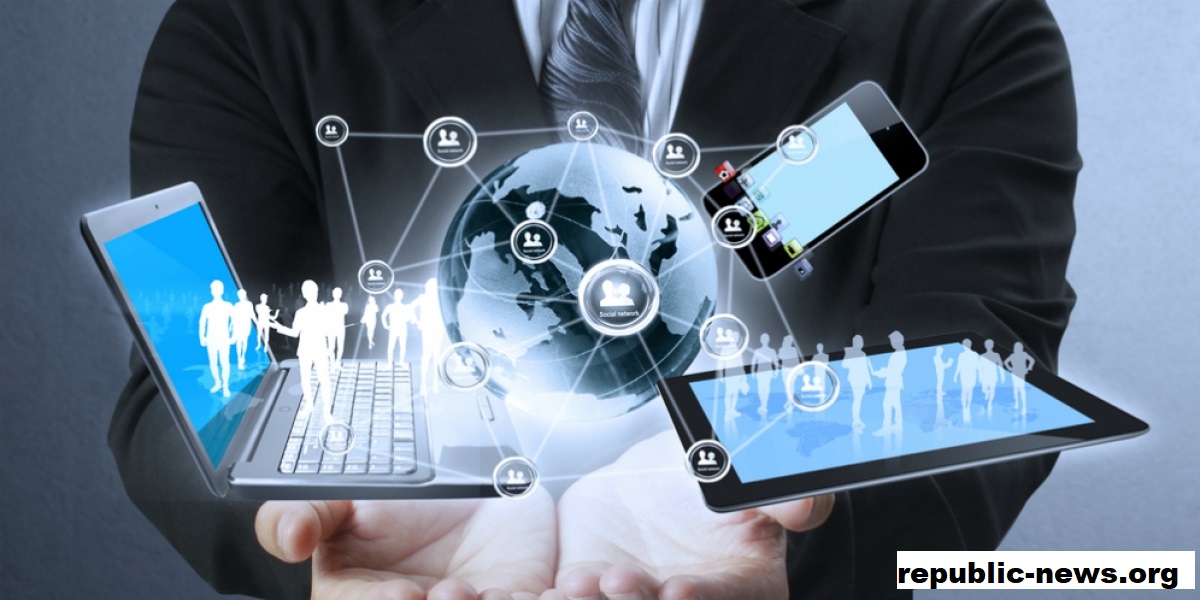
10 Tren Terkait Teknologi yang Membentuk Dekade ini
10 Tren Terkait Teknologi yang Membentuk Dekade ini – Lanskap teknologi telah berubah secara dramatis selama dekade terakhir, baik di Amerika Serikat maupun di seluruh dunia.
10 Tren Terkait Teknologi yang Membentuk Dekade ini

republic-news.org – Ada peningkatan penting dalam penggunaan media sosial dan platform online (termasuk YouTube dan Facebook) dan teknologi (seperti internet, ponsel, dan telepon pintar), dalam beberapa kasus mengarah ke tingkat penggunaan yang hampir jenuh di antara segmen utama populasi. Tetapi teknologi digital juga menghadapi reaksi yang signifikan di tahun 2010-an.
1. Situs media sosial telah muncul sebagai platform masuk untuk terhubung dengan orang lain, menemukan berita, dan terlibat secara politik.
Ketika Center pertama kali bertanya kepada orang dewasa AS apakah mereka pernah menggunakan situs media sosial pada tahun 2005, hanya 5% yang mengatakan pernah. Hari ini, pangsanya adalah 72%, menurut survei pada awal 2019.
Baca Juga : Sektor teknologi Vancouver Tumbuh Dengan Laju Tertinggi di Amerika Utara
Media sosial juga telah menguasai seluruh dunia. Survei global The Center musim semi 2017 – yang dilakukan di 17 negara maju dan 19 negara berkembang – menemukan bahwa rata-rata 53% orang dewasa di negara berkembang dan berkembang menggunakan media sosial.
Di AS dan di seluruh dunia, dewasa muda adalah kelompok usia yang paling mungkin menggunakan media sosial. Misalnya, sembilan dari sepuluh orang Amerika berusia 18 hingga 29 tahun melaporkan pernah menggunakan situs media sosial, dibandingkan dengan 40% dari mereka yang berusia 65 tahun ke atas.
Dalam hal platform tertentu, YouTube dan Facebook adalah platform online yang paling banyak digunakan di kalangan orang dewasa AS, dengan sekitar tujuh dari sepuluh orang Amerika mengatakan bahwa mereka menggunakan setiap situs. Porsi orang dewasa yang menggunakan Instagram dan Snapchat jauh lebih kecil, tetapi platform ini sangat populer di kalangan anak muda Amerika.
2. Di seluruh dunia dan di AS, media sosial telah menjadi alat utama bagi para aktivis, serta mereka yang menentang mereka. Dekade dimulai dengan Musim Semi Arab dan diakhiri dengan pengunjuk rasa di Hong Kong dan di tempat lain menggunakan media sosial untuk mempromosikan dan mengatur tujuan mereka. Dalam beberapa kasus, pemerintah melawan dengan menutup internet , sementara penentang beberapa aktivis melakukan kampanye media sosial mereka sendiri .
Di AS, media sosial berperan dalam gerakan sosial besar seperti #MeToo dan #BlackLivesMatter . Misalnya, analisis Pew Research Center terhadap tweet berbahasa Inggris yang tersedia untuk umum menemukan bahwa tagar #MeToo telah digunakan lebih dari 19 juta kali di Twitter sejak 15 Oktober 2017 (ketika aktris Alyssa Milano men-tweet mendesak korban pelecehan seksual untuk membalas “ saya juga”) hingga 30 September 2018.
Namun, orang Amerika telah mengungkapkan pandangan beragam tentang dampak media sosial terhadap lingkungan politik yang lebih luas. Kira-kira dua pertiga orang Amerika (64%) mengatakan pernyataan “media sosial membantu memberikan suara kepada kelompok yang kurang terwakili” menggambarkan situs-situs ini dengan sangat atau agak baik, sebuah survei tahun 2018 menemukan. Pada saat yang sama, 77% percaya platform ini mengalihkan perhatian orang dari masalah yang benar-benar penting, dan 71% setuju dengan pernyataan “media sosial membuat orang berpikir mereka membuat perbedaan padahal sebenarnya tidak.”
3. Smartphone telah mengubah cara banyak orang Amerika online.
Salah satu tren digital terbesar dekade ini adalah peningkatan konektivitas seluler yang stabil . Adopsi smartphone meningkat lebih dari dua kali lipat sejak Center mulai melakukan survei tentang topik ini pada tahun 2011.
Kemudian, 35% orang dewasa AS dilaporkan memiliki smartphone, pangsa yang telah meningkat menjadi 81% saat ini.
Remaja juga menjadi lebih cenderung menggunakan ponsel cerdas: Lebih dari sembilan dari sepuluh (95%) remaja berusia 13 hingga 17 tahun melaporkan memiliki atau memiliki akses ke ponsel cerdas, menurut survei tahun 2018 .
Orang dewasa cenderung menyebut ponsel cerdas mereka sebagai cara utama untuk online. Saat ini, 37% orang dewasa AS mengatakan mereka kebanyakan menggunakan smartphone untuk mengakses internet, naik dari 19% pada tahun 2013.
4. Pertumbuhan penggunaan ponsel dan media sosial telah memicu perdebatan tentang dampak waktu layar pada kaum muda Amerika – dan lainnya.
Lebih dari separuh remaja (54%) percaya mereka menghabiskan terlalu banyak waktu di ponsel mereka, sementara 41% mengatakan mereka menghabiskan terlalu banyak waktu di media sosial dan sekitar seperempat mengatakan hal yang sama tentang video game, sebuah survei tahun 2018 menemukan .
Pada saat yang sama, sekitar setengah atau lebih remaja mengatakan bahwa mereka telah mengurangi jumlah waktu yang mereka habiskan di ponsel (52%), dan bagian serupa mengatakan bahwa mereka telah mencoba membatasi penggunaan media sosial (57%) dan video game (58%).
Namun, remaja bukanlah satu-satunya kelompok yang kesulitan menyeimbangkan penggunaan teknologi digital dengan aspek lain dalam kehidupan mereka. Sekitar 36% orang tua remaja mengatakan bahwa mereka sendiri menghabiskan terlalu banyak waktu di ponsel mereka, sementara persentase yang sama (39%) mengatakan bahwa mereka terkadang kehilangan fokus di tempat kerja karena mereka memeriksa ponsel mereka.
5. Privasi dan pengawasan data telah menjadi perhatian utama di era pasca-Snowden.
Pada Juni 2013 , kontraktor Badan Keamanan Nasional Edward Snowden membocorkan informasi yang menunjukkan bahwa NSA telah melakukan pengawasan luas terhadap komunikasi online dan telepon orang Amerika. Sebagai buntut dari pengungkapan tersebut, sekitar setengah dari orang Amerika (49%) mengatakan bahwa rilis informasi rahasia melayani kepentingan publik, sementara 44% mengatakan itu merugikan kepentingan publik, menurut sebuah survei tahun 2013 .
Pada tahun-tahun setelah kebocoran, telah terjadi pelanggaran data komersial dan pemerintah tingkat tinggi , serta pengungkapan tentang bagaimana perusahaan dan pemerintah mengeksploitasi profil media sosial dan sumber data lainnya untuk menargetkan pengguna . Survei secara konsisten menunjukkan bahwa masalah ini telah memicu kekhawatiran publik yang signifikan tentang data pribadi seseorang, serta kurangnya kepercayaan publik bahwa perusahaan dapat dan akan menjaga keamanan data mereka. Misalnya, mayoritas orang Amerika sekarang mengatakan bahwa mereka merasa memiliki sangat sedikit atau tidak ada kontrol atas data yang dikumpulkan tentang mereka oleh pemerintah (84%), sementara kira-kira dua pertiga (64%) melaporkan bahwa mereka merasa setidaknya agak khawatir. tentang bagaimana pemerintah menggunakan data yang dikumpulkan tentang mereka.
6. Platform teknologi telah melahirkan gig economy.
Teknologi seluler telah membantu menciptakan bisnis dan pekerjaan baru, sekaligus memicu perdebatan tentang pengaturan perusahaan yang menyediakan layanan yang dapat dipesan oleh aplikasi. Ride-hailing adalah salah satu contoh pertumbuhan gig economy yang paling terdokumentasi dengan baik , dan semakin banyak orang Amerika yang menggunakan layanan semacam ini: Pada musim gugur 2018 , 36% orang dewasa AS mengatakan bahwa mereka pernah menggunakan layanan ride-hailing seperti itu. sebagai Uber atau Lyft, naik dari 15% pada tahun 2015. Selain layanan mobil, gig economy telah melahirkan bisnis mulai dari berbagi rumah hingga pasar online untuk barang buatan sendiri.
7. Pelecehan online telah menjadi fitur yang cukup umum dalam kehidupan online, baik untuk remaja maupun dewasa .
Sekitar enam dari sepuluh remaja AS (59%) mengatakan bahwa mereka telah diintimidasi atau dilecehkan secara online, dengan pemanggilan nama yang menyinggung menjadi jenis pelecehan paling umum yang mereka temui, menurut survei tahun 2018 terhadap mereka yang berusia 13 hingga 17 tahun . bagian serupa dari remaja (63%) melihat pelecehan online sebagai masalah utama bagi orang seusia mereka.
Banyak orang dewasa juga melaporkan menjadi sasaran beberapa bentuk perilaku kasar secara online. Sekitar 41% orang dewasa pernah mengalami beberapa bentuk pelecehan online, sebagaimana diukur dalam survei tahun 2017 .
8. Berita yang dibuat-buat dan informasi yang salah telah memicu kekhawatiran yang semakin besar.
Menjelang pemilihan presiden AS 2016 memunculkan kekhawatiran seputar informasi yang salah dan kemampuannya untuk memengaruhi proses demokrasi. Separuh orang Amerika percaya berita yang dibuat-buat dan informasi yang salah adalah masalah yang sangat besar bagi negara saat ini, menjadikannya masalah yang mendesak bagi lebih banyak orang Amerika daripada terorisme, imigrasi ilegal, seksisme, dan rasisme, menurut survei tahun 2019. Sekitar 68% orang dewasa AS mengatakan berita yang dibuat-buat sangat memengaruhi kepercayaan orang Amerika terhadap lembaga pemerintah.
Tantangan dalam menavigasi lingkungan informasi baru tercermin dalam survei tahun 2018 yang mengukur kemampuan publik untuk mengidentifikasi lima pernyataan faktual dan lima pernyataan opini. Sebagian kecil orang Amerika mampu mengklasifikasikan semua 10 pernyataan dengan benar. Sekitar sepertiga (35%) mampu mengidentifikasi kelima pernyataan pendapat dengan benar, sementara sekitar seperempat (26%) mampu mengidentifikasi kelima pernyataan faktual dengan benar. Orang Amerika dengan kesadaran politik tinggi, mereka yang sangat cerdas secara digital, dan mereka yang memiliki tingkat kepercayaan tinggi terhadap media berita mampu mengidentifikasi pernyataan terkait berita dengan lebih akurat sebagai fakta atau opini.
9. Mayoritas orang Amerika melihat diskriminasi gender sebagai masalah di industri teknologi.
Perusahaan teknologi menghadapi kritik atas praktik perekrutan dan budaya kerja mereka, termasuk laporan diskriminasi berdasarkan ras dan etnis serta gender .
Mayoritas orang Amerika (73%) mengatakan diskriminasi terhadap perempuan adalah masalah dalam industri teknologi, dengan 37% menyatakannya sebagai masalah besar, menurut survei musim panas 2017 . Mengenai diskriminasi terhadap orang kulit hitam dan Hispanik Amerika di bidang teknologi – dua kelompok yang kurang terwakili dalam industri ini – kira-kira dua pertiga orang Amerika (68%) mengatakan ini adalah masalah (31% mengatakan ini adalah masalah besar), menurut survei yang sama.
10. Pandangan orang Amerika tentang perusahaan teknologi menjadi kurang positif dalam beberapa tahun terakhir.
Kontroversi terkait privasi digital, berita yang dibuat-buat, pelecehan, dan masalah lain mungkin telah memengaruhi sikap publik terhadap perusahaan teknologi. Bagian orang Amerika yang mengatakan perusahaan-perusahaan ini memiliki efek positif pada keadaan di negara itu telah menurun tajam sejak 2015, menurut survei Juli 2019 . Empat tahun lalu, mayoritas orang dewasa AS (71%) mengatakan perusahaan-perusahaan ini berdampak positif bagi negara, dibandingkan dengan 50% saat ini.
Dalam sebuah survei pada musim panas 2018 , sekitar tujuh dari sepuluh orang Amerika (72%) mengatakan kemungkinan bahwa platform media sosial secara aktif menyensor pandangan politik yang dianggap tidak menyenangkan oleh perusahaan tersebut. Sekitar setengah (51%) dari publik mengatakan perusahaan teknologi besar harus diatur lebih dari sekarang.
Sektor teknologi Vancouver Tumbuh Dengan Laju Tertinggi di Amerika Utara
Sektor teknologi Vancouver Tumbuh Dengan Laju Tertinggi di Amerika Utara – Sektor teknologi di kawasan ini sekarang semakin terbiasa dengan pekerjaan yang mengalir deras sedemikian rupa sehingga pertumbuhan lapangan kerja melebihi semua kota lain di Amerika Utara.
Sektor teknologi Vancouver Tumbuh Dengan Laju Tertinggi di Amerika Utara
republic-news – Tenaga kerja lokal sektor ini menambahkan 28.300 pekerjaan dari 2020-21, tumbuh 44,2 persen dibandingkan dengan periode terakhir yang diperiksa (2018-19) oleh CBRE Group Inc.
Laporan Tech-30 , dirilis Rabu (2 November) oleh perusahaan jasa real estat, mengungkapkan pesaing terdekat Vancouver berikutnya di benua itu adalah kota Kanada lainnya: Toronto.
Lima kota teratas:
- 1. Vancouver : pertumbuhan 44,2 persen (+28.300 pekerjaan)
- 2. Toronto : pertumbuhan 37 persen (+60.400 pekerjaan)
- 3. Austin : pertumbuhan 25 persen (+15.718 pekerjaan)
- 4. Seattle : pertumbuhan 18,6 persen (+37.563 pekerjaan)
- 5. Montreal : pertumbuhan 15,8 persen (+13.700 pekerjaan)
Tidak hanya pertumbuhan pekerjaan melampaui semua kota Amerika Utara lainnya, tetapi permintaan ruang kantor di sektor teknologi Vancouver mengikat Boston di No. 1 (pertumbuhan 21,6 persen).
Baca Juga : Penggunaan Teknologi Baru Dalam Industri Pariwisata
CBRE memperkirakan tenaga kerja teknologi Vancouver secara keseluruhan mencapai 92.300 orang, sedangkan rata-rata insinyur perangkat lunak akan memperoleh penghasilan US$97.885 per tahun dibandingkan dengan US$92.518 di Toronto.
Namun, pergilah ke I-5, dan rata-rata insinyur perangkat lunak di Seattle dapat menemukan diri mereka membawa pulang gaji tahunan yang jauh lebih besar: US$140.316.
“Biaya pengoperasian yang rendah berkontribusi pada daya pikat Vancouver sebagai pusat teknologi,” kata laporan bulan April dari Asosiasi Peningkatan Bisnis Downtown Vancouver.
“Peningkatan investasi baru-baru ini dari perusahaan modal ventura yang berbasis di AS terkait dengan peningkatan pekerjaan jarak jauh, dengan perusahaan VC meningkatkan investasi mereka di perusahaan yang berbasis di Kanada sekarang karena kedekatan geografis tidak lagi menjadi batasan.”
Meskipun munculnya kerja jarak jauh mungkin membuat orang percaya bahwa permintaan ruang kantor akan berkurang, perusahaan teknologi besar AS tampaknya semakin nyaman memanfaatkan pekerja yang berbasis di kantor Vancouver untuk mengeksploitasi biaya operasi yang lebih rendah.
PlentyOfFish yang didirikan di Vancouver (sekarang dimiliki oleh Match Group), fintech Tipalti Inc., firma perangkat medis Masimo Corp. (Nasdaq:MASI) dan Microsoft Corp. (Nasdaq:MSFT) adalah beberapa perusahaan teknologi Amerika yang telah memperluas pusat kota selama tahun lalu.
Dan perusahaan teknologi lokal yang baru-baru ini mencapai status unicorn (penilaian US$1 miliar atau lebih) juga memiliki pijakan besar di inti pusat kota, termasuk Trulioo Information Services Inc., GeoComply Solutions Inc. dan Galvanize.
“Itu memiliki kumpulan bakat yang hebat, berpendidikan tinggi, bermotivasi tinggi. Kami mendapat beberapa keuntungan tambahan dari pemerintah,” kata Joe Smolarski, kepala kantor operasional di Kaseya Ltd. yang berbasis di Miami, kepada BIV bulan lalu .
Perusahaan layanan TI meluncurkan operasinya di Vancouver pada tahun 2018 dengan 35 pekerja lokal dan sejak itu berkembang menjadi 120 pekerja yang berbasis di Sun Tower di 128 West Pender Street.
Smolarski mengatakan perusahaannya telah melampaui kantor-kantor itu dan akan mencari untuk mempekerjakan 100 pekerja tambahan di tahun mendatang karena berkembang menjadi kantor baru seluas 22.000 kaki persegi di 545 Robson Street pada bulan Januari.
Ken Peacock, kepala ekonom di Business Council of BC, mengatakan dolar Kanada yang relatif rendah dibandingkan dengan greenback pernah menjadi faktor pendorong bagi banyak perusahaan teknologi AS yang ingin berekspansi ke utara.
Itu kurang dari kasus sekarang. Perusahaan-perusahaan Amerika lebih termotivasi oleh akses ke bakat dan kebijakan imigrasi Kanada yang lebih progresif yang memungkinkan mereka merekrut karyawan dari belahan dunia lain dan membawa mereka bekerja di kantor satelit Kanada.
“[Itu] sebagian besar adalah permainan imigrasi ketika Microsoft dan beberapa perusahaan teknologi lainnya datang ke sini,” kata Peacock pada bulan Oktober, menambahkan bahwa intuisi mengatakan kepadanya bahwa upaya ekspansi berkelanjutan perusahaan teknologi ini selama dekade terakhir telah terjadi karena mereka telah melakukannya. tumbuh lebih nyaman dengan tim yang dibangun di SM
Untuk bagian Microsoft, itu membuat semua perusahaan meraup ruang kantor di pusat kota selama paruh pertama tahun ini. Perusahaan jasa real estat Avison Young (Canada) Inc. diperkirakan bulan lalu mengamankan 468.000 kaki persegi pada tahun 2022 saja.

Penggunaan Teknologi Baru Dalam Industri Pariwisata
Penggunaan Teknologi Baru Dalam Industri Pariwisata – Teknologi memiliki dampak besar pada pariwisata serta sektor lain yang berafiliasi dengan pariwisata. Ini adalah sektor-sektor seperti transportasi, komunikasi dan wisata di antara sektor-sektor lainnya. Selama bertahun-tahun, penggunaan teknologi dalam pariwisata telah ditingkatkan secara unik untuk menyediakan layanan yang sangat eksklusif di seluruh dunia.
Penggunaan Teknologi Baru Dalam Industri Pariwisata
republic-news.org – Di masa lalu ketika teknologi jarang digunakan di sektor pariwisata, sebagian besar layanan memiliki kualitas yang sangat buruk dan sama-sama tidak dapat diandalkan. Namun, seiring berjalannya waktu, teknologi telah banyak membantu dalam meningkatkan kualitas penyampaian layanan di sektor pariwisata.
Menurut penelitian, telah dicatat bahwa teknologi memiliki manfaat yang sangat besar bagi sektor pariwisata terutama sejalan dengan penyediaan layanan yang up-to-date dengan tren saat ini di sektor tersebut. Hal terbaik tentang teknologi adalah teknologi ini sangat dinamis dan sama bersemangatnya.
Baca Juga : Amerika Serikat Memimpin Dalam Sains dan Teknologi
Hal ini cukup penting karena telah mengarah pada penemuan teknologi yang lebih canggih yang telah memudahkan operasi di industri pariwisata dengan selisih yang sangat besar. Dengan teknologi, operasi sangat mudah dijalankan dan juga cukup mudah untuk menyempurnakan penyampaian layanan sehingga mampu meningkatkan pertumbuhan yang besar di sektor ini.
Salah satu bidang yang teknologinya digunakan secara negatif di sektor pariwisata adalah dalam pemasaran dan komunikasi. Hal ini karena agar sektor ini dapat berkembang dan memiliki tingkat pengembalian yang lebih baik, sangat penting untuk memastikan bahwa terciptanya kesadaran di lokasi objek wisata yang ada. Di sinilah pemasaran dan periklanan masuk ke dalam perspektif.
Berbeda dengan sektor lain, pemasaran di sektor pariwisata perlu dilakukan secara ringkas. Hal ini dikarenakan jangkauannya yang luas karena harus menjangkau setiap penjuru bumi. Industri pariwisata sangat ekspansif dan menggabungkan banyak sektor lainnya sehingga meningkatkan kebutuhan besar untuk menggunakan strategi pemasaran yang mapan.
Penggunaan teknologi dalam pemasaran di bidang pariwisata antara lain penggunaan internet, pemasaran offline melalui penggunaan billboard dan media sosial. Strategi pemasaran ini sangat beragam dan terutama menargetkan menjangkau sebanyak mungkin orang. Hal ini cukup penting karena memudahkan terciptanya kesadaran tentang keberadaan fitur-fitur hebat di sektor pariwisata.
Selain itu, penggunaan teknologi dalam pemasaran di sektor pariwisata juga telah memastikan bahwa sektor lain yang berafiliasi dengan pariwisata juga tumbuh. Ini adalah sektor-sektor seperti transportasi udara, industri perhotelan dan perusahaan tur di antara sektor-sektor lainnya.
Ada banyak kesamaan yang ada antara pariwisata dan teknologi. Sebagai permulaan, sektor-sektor ini saling bergantung satu sama lain dan bergerak menuju arah yang sama. Hal ini cukup penting karena telah menyebabkan transformasi sektor pariwisata dengan munculnya teknologi.
Perangkat seperti tablet dan laptop yang dikembangkan dengan menggunakan teknologi memiliki pengaruh yang besar terhadap penggunaan media sosial di bidang pariwisata yang pada gilirannya membawa pertumbuhan yang besar di sektor tersebut. Harapan wisatawan meningkat dengan kemajuan teknologi dimana wisatawan mengembangkan dorongan untuk memiliki setiap aspek dalam sektor pariwisata menjadi sempurna. Ada banyak upaya yang telah dilakukan untuk pengenalan dan penggabungan teknologi di sektor pariwisata.
Sejalan dengan perlindungan lingkungan, ada kebutuhan besar untuk menggunakan teknologi dalam mempromosikan perlindungan lingkungan di sektor pariwisata. Ini telah dicapai melalui penggunaan perangkat dan gadget bertenaga surya seperti laptop yang digunakan dalam pariwisata.
Tren terbaru dalam teknologi dan pariwisata telah melihat perkembangan perangkat Strawberry Mini yang sangat ideal untuk digunakan di taman hiburan & hiburan, area ski, dan resor di antara sektor pariwisata lainnya. Dengan mempertimbangkan fakta bahwa industri pariwisata menyatukan individu-individu yang memiliki kepentingan besar terhadap alam, perlindungan lingkungan menjadi sangat penting dan sama-sama diserukan.
Teknologi baru telah banyak mempengaruhi pertumbuhan dan perkembangan di sektor pariwisata dalam banyak hal. Hal ini didukung oleh kenyataan bahwa harapan wisatawan tumbuh secara damai karena mereka berharap mendapatkan layanan yang lebih baik dan berbasis baik. Diharapkan di tahun-tahun mendatang, pertumbuhan ini akan semakin meningkat sehingga sangat penting bagi industri pariwisata untuk dapat mengikuti perubahan tersebut.
Wisatawan dapat yakin untuk mendapatkan layanan yang lebih baik yang akan sangat membantu dalam meningkatkan kepuasan mereka. Tujuan utama dari pengenalan teknologi dalam pariwisata adalah untuk meningkatkan penyampaian layanan dan akibatnya dapat memberi wisatawan nilai uang yang diperoleh dengan susah payah.

Amerika Serikat Memimpin Dalam Sains dan Teknologi
Amerika Serikat Memimpin Dalam Sains dan Teknologi – National Science Board (NSB) adalah badan pengatur NSF dan menerbitkan laporan yang dimandatkan oleh kongres tentang keadaan perusahaan sains dan teknik (S&E) AS setiap dua tahun. Laporan tahun 2018 menunjukkan bahwa AS paling banyak berinvestasi dalam penelitian dan pengembangan (R&D), menarik modal ventura paling banyak, memberikan gelar paling maju, menyediakan layanan bisnis, keuangan, dan informasi terbanyak, dan merupakan produsen terbesar di sektor manufaktur berteknologi tinggi.
Amerika Serikat Memimpin Dalam Sains dan Teknologi
republic-news.org – ” Indikator Sains dan Teknik NSF adalah sumber informasi dengan kualitas tertinggi dan terlengkap tentang bagaimana kinerja perusahaan ilmiah dan teknik AS di dalam negeri dan internasional,” kata Direktur NSF France Córdova. “Laporan 2018 menyajikan banyak sekali data penting yang mudah diakses. Ini memberikan wawasan tentang bagaimana penelitian dan pengembangan sains dan teknik terkait dengan pengembangan ekonomi dan tenaga kerja, serta pendidikan STEM, di AS dan luar negeri.”
Baca Juga : Teknologi Membantu Ekonomi Amerika lebih Dari Yang Kita Duga
“Laporan tahun ini menunjukkan tren bahwa AS masih memimpin dengan banyak langkah IPTEK, tetapi keunggulan kami menurun di bidang-bidang tertentu yang penting bagi negara kami,” kata Maria Zuber, Ketua NSB dan Wakil Presiden Riset di Massachusetts Institute of Teknologi. “Tren itu menimbulkan kekhawatiran tentang dampak pada ekonomi dan tenaga kerja kita, dan berimplikasi pada keamanan nasional kita. Dari penyuntingan gen hingga kecerdasan buatan, kemajuan ilmiah disertai dengan risiko yang melekat. Dan penting bagi kita untuk tetap berada di garis depan sains untuk memitigasi risiko tersebut .”
Pertumbuhan China dalam S&E berlanjut dengan kecepatan yang luar biasa
Pengeluaran R&D mencerminkan komitmen suatu negara untuk memperluas kemampuan di bidang IPTEK, yang pada gilirannya mendorong inovasi. Sementara AS memimpin dunia dalam pengeluaran litbang sebesar $496 miliar (26 persen bagian dari total global), China menempati posisi kedua yang menentukan dengan 21 persen ($408 miliar). Cina telah meningkatkan belanja R&D dengan cepat sejak tahun 2000, dengan rata-rata 18 persen per tahun.
Fokusnya diarahkan terutama pada pengembangan daripada penelitian dasar atau terapan. Selama jangka waktu yang sama, pengeluaran R&D AS hanya tumbuh sebesar 4 persen. Meskipun negara berkembang mulai dari basis yang lebih rendah dan karena itu cenderung tumbuh jauh lebih cepat, tingkat pertumbuhan China luar biasa.
Investasi modal ventura, yang mendukung komersialisasi teknologi baru, berjumlah lebih dari $130 miliar secara global pada tahun 2016. Sementara AS menarik investasi paling banyak (hampir $70 miliar), menyumbang sedikit lebih dari setengah pangsa global, 26 persen dari total modal ventura. dana modal pergi ke Cina. Modal ventura di China meningkat dari sekitar $3 miliar pada tahun 2013 menjadi $34 miliar pada tahun 2016, naik dari 5 persen menjadi 27 persen pangsa global, peningkatan tercepat dari ekonomi mana pun.
Industri padat pengetahuan dan teknologi — di mana kemajuan S&T merupakan masukan utama — merupakan bagian utama ekonomi global, yang terdiri dari hampir sepertiga produk domestik bruto (PDB) dunia. Amerika memimpin dalam penyediaan layanan bisnis, keuangan dan informasi, menyumbang 31 persen dari pangsa global, diikuti oleh Uni Eropa (UE) sebesar 21 persen.
Cina adalah produsen terbesar ketiga dari jasa ini (17 persen pangsa global) dan terus tumbuh pada tingkat yang jauh lebih cepat (pertumbuhan tahunan 19 persen) dibandingkan AS dan negara maju lainnya. AS adalah produsen manufaktur teknologi tinggi terbesar (pangsa global 31 persen). Ini termasuk produksi pesawat terbang dan pesawat ruang angkasa, semikonduktor, komputer, obat-obatan, dan instrumen pengukur dan kontrol. China berada di urutan kedua dengan 24 persen,
Pendidikan tinggi memberikan keterampilan kerja tingkat lanjut yang dibutuhkan dalam ekonomi global yang semakin padat pengetahuan. Menurut perkiraan terbaru, AS memberikan jumlah gelar doktor S&E terbesar (40.000) dari negara mana pun, diikuti oleh China (34.000), Rusia (19.000), Jerman (15.000), Inggris (14.000) dan India ( 13.000). Sebaliknya, AS tertinggal dalam gelar sarjana.
India memperoleh 25 persen dari lebih dari 7,5 juta gelar sarjana S&E yang diberikan pada tahun 2014, diikuti oleh China (22 persen), Uni Eropa (12 persen) dan AS (10 persen). Hampir setengah dari semua gelar yang diberikan di Cina berada di bidang S&E. Sejak tahun 2000, jumlah gelar sarjana S&E yang diberikan di China telah meningkat sebesar 300 persen.
Selama dua puluh tahun terakhir, siswa menjadi lebih mobile dan negara-negara semakin bersaing untuk mendapatkan mereka sebagai rekrutan potensial untuk tenaga kerja S&E. Jumlah mahasiswa internasional di AS turun antara musim gugur 2016 dan musim gugur 2017, dengan penurunan terbesar terlihat pada tingkat pascasarjana dalam ilmu komputer (penurunan 13 persen) dan teknik (penurunan 8 persen).
Siswa internasional mencakup lebih dari 57 persen dari pendaftaran lulusan dalam ilmu komputer dan teknik di AS. Siswa ini adalah komponen penting dari tenaga kerja AS di bidang permintaan tinggi ini. Tujuh puluh sembilan persen mahasiswa pascasarjana doktoral asing memilih untuk tinggal dan bekerja di AS setelah menyelesaikan gelar mereka.
Bisnis memimpin R&D AS
Sektor bisnis sejauh ini merupakan pemain R&D terbesar di AS, terhitung 72 persen dari total $495 miliar pada tahun 2015. Selama beberapa tahun, peningkatan tahunan dalam kinerja R&D bisnis telah menyumbang sebagian besar pertumbuhan R&D AS secara keseluruhan. Dari tiga jenis utama R&D — penelitian dasar, penelitian terapan, dan pengembangan eksperimental — bisnis memimpin dalam penelitian terapan (58 persen dari total $97 miliar) dan pengembangan eksperimental (88 persen dari total $314 miliar). Institusi pendidikan tinggi terus melakukan bagian terbesar dari penelitian dasar AS (49 persen dari total $83 miliar).
Sektor bisnis juga memimpin dalam investasi R&D, memberikan 67 persen ($333 miliar) dari total nasional pada tahun 2015. Sebaliknya, pemerintah federal — yang pernah menjadi penyandang dana utama R&D (67 persen pada tahun 1964) — mencapai tingkat yang bersejarah. rendah pada tahun 2015, mendanai 24 persen dari total AS. Penurunan ini terutama disebabkan oleh pertumbuhan investasi R&D yang lebih cepat oleh sektor bisnis. Selain itu, R&D yang didanai federal telah mengalami tren penurunan sejak 2011 (dari $127 miliar pada tahun 2011 menjadi $120 miliar pada tahun 2015).
Meskipun demikian, pemerintah federal tetap menjadi penyandang dana terbesar untuk penelitian dasar ($36,9 miliar, 44 persen dari total bagian), dan merupakan pendorong utama penelitian inovatif dan pelatihan tenaga kerja sains, teknologi, teknik, dan matematika (STEM). Sektor bisnis menyumbang $22,7 miliar (27 persen dari total saham) pada tahun 2015.
“R&D — dasar, eksperimental, dan terapan — adalah bahan bakar yang menggerakkan bisnis Amerika. Kemampuan kami untuk mengubah hasil penelitian dasar dan eksperimental menjadi aplikasi praktis adalah legenda,” kata Vinton Cerf, anggota NSB dan Wakil Presiden dan Kepala Internet Penginjil di Google. “Kita mempertaruhkan kesuksesan berkelanjutan dari perusahaan Amerika jika kita gagal mengadopsi kebijakan yang memperkuat tiga serangkai peluang yang tak terbatas ini. Inilah saatnya untuk membalikkan tren penurunan dalam dukungan penelitian federal dan memperkuat kembali inovasi Amerika.”
Kemajuan dalam S&E melintasi batas negara
Lanskap S&T global bersifat dinamis, cepat berubah, dan saling bergantung. Negara-negara berspesialisasi dalam berbagai sektor S&E, menghasilkan kemajuan yang dapat membawa manfaat di seluruh dunia.
“Yang jelas dari Indikator adalah bahwa meskipun ada peningkatan di banyak negara berkembang, ada juga lebih banyak bidang spesialisasi yang muncul sebagai bidang teratas,” kata Geraldine Richmond, Ketua Komite Kebijakan Sains dan Teknik NSB dan Ketua Presiden dan Profesor Kimia di Universitas Oregon.
Penemuan adalah contoh yang baik dari spesialisasi ini. Dari tiga pemimpin paten US Patent and Trademark Office, penemuan AS dan UE terkonsentrasi pada kimia dan kesehatan, termasuk obat-obatan dan bioteknologi. Paten Jepang terutama di semikonduktor, telekomunikasi, optik, dan material dan metalurgi. Teknologi informasi dan komunikasi — termasuk komunikasi digital, semikonduktor, telekomunikasi, dan optik — adalah andalan Korea Selatan dan China.
“Dari pengalaman saya sendiri bekerja dengan sejumlah negara berkembang, saya pikir salah satu kekuatan kami adalah kemampuan kami mendidik siswa untuk memecahkan masalah. Inovasi dan paten kami benar-benar mencerminkan bahwa kreativitas AS tetap menjadi salah satu aset terbesar kami,” kata Richmond.
Pada saat yang sama, para ilmuwan dunia semakin kolaboratif dalam upaya penelitian mereka. Di antara produsen utama publikasi S&E, Inggris Raya memiliki tingkat kolaborasi internasional tertinggi (57 persen) pada tahun 2016, diikuti oleh Prancis (55 persen) dan Jerman (51 persen). AS mengikuti dengan tingkat kolaborasi internasional 37 persen, naik 12 persen dari tahun 2006. Dampak publikasi S&E juga menjadi lebih global.
Antara tahun 2004 dan 2014, pangsa publikasi AS dengan kutipan dari luar negeri meningkat dari 47 persen menjadi 56 persen. Negara-negara juga berspesialisasi dalam berbagai bidang penelitian, dengan AS, UE, dan Jepang banyak menerbitkan ilmu kedokteran dan biologi, sementara India dan Cina fokus pada teknik.
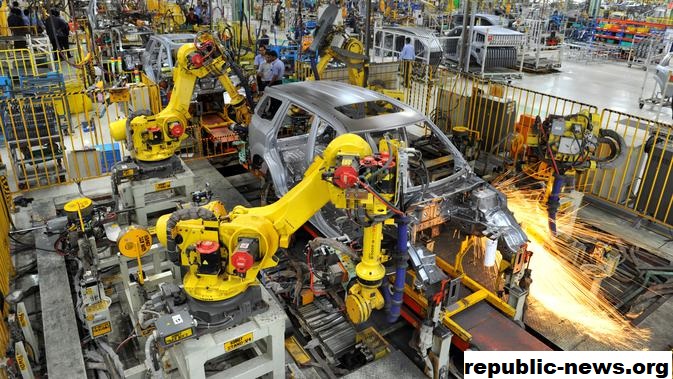
Teknologi Membantu Ekonomi Amerika lebih Dari Yang Kita Duga
Teknologi Membantu Ekonomi Amerika lebih Dari Yang Kita Duga – Pada akhir Juli, ketika Biro Analisis Ekonomi merilis perkiraan tingkat pertumbuhan ekonomi 4,1% yang luar biasa untuk kuartal kedua, hanya sedikit yang memperhatikan pengumuman lain dari badan statistik: Perubahan total perhitungan produk domestik bruto, selama beberapa dekade.
Teknologi Membantu Ekonomi Amerika lebih Dari Yang Kita Duga
republic-news.org – Jauh di lubuk hati apa yang membentuk PDB, agensi tersebut telah memasukkan informasi baru tentang komputasi awan, telepon seluler, dan teknologi lain yang berkembang pesat. Dan sementara perhitungan yang diperbarui hanya mengubah pertumbuhan ekonomi secara keseluruhan sedikit setiap tahun, total investasi bisnis rata-rata naik hampir satu persen setiap tahun antara tahun 2002 dan 2017.
Itu adalah lompatan besar, dan menyajikan gambaran aktivitas ekonomi yang lebih cerah setelah resesi daripada yang kita miliki sebelum Jumat lalu, kata badan tersebut dalam sebuah pengarahan dengan wartawan.
Penyesuaian seperti itu bukanlah hal baru. Setiap lima tahun, pengolah angka ekonomi pemerintah federal mengumumkan bahwa mereka sedikit melenceng, karena perubahan dalam praktik bisnis yang tidak dapat mereka lacak secara real time.
Baca Juga : Koridor Teknologi Besar Selanjutnya? Antara Seattle dan Vancouver
Percepatan inflasi pada tahun 1960 mendorong pengukuran perubahan harga yang lebih baik, misalnya. Pada 1980-an, IBM membantu agensi memahami bagaimana komputer menjadi lebih murah dan lebih baik pada saat yang bersamaan.
“Ketika BEA melakukan salah satu tolok ukur ini, mereka mencoba menargetkan salah satu area ini di mana mereka tahu ada banyak kemajuan teknologi yang belum tercakup dalam angka,” kata Brent Moulton, yang baru saja pensiun setelah 30 tahun. perpecahan karir antara BEA dan Biro Statistik Tenaga Kerja. “Ketika keputusan dibuat bahwa perangkat lunak benar-benar harus diperhitungkan sebagai bagian dari investasi bersama dengan perangkat keras, hal itu menyebabkan peningkatan besar dalam tingkat pertumbuhan selama tahun 1980-an dan 90-an.”
Namun semakin sulit untuk mengikuti perubahan tersebut akhir-akhir ini, karena teknologi baru telah menyebar ke seluruh tempat kerja dengan cara yang masih belum sepenuhnya dipahami oleh para ahli statistik.
Kesalahan pengukuran itu bisa menjadi bagian dari alasan mengapa angka pertumbuhan mengecewakan dalam beberapa tahun terakhir. Jika badan-badan federal tidak mampu menangkap semua aktivitas ekonomi baru, itu jauh lebih mengkhawatirkan daripada gagasan bahwa Amerika benar-benar menjadi negara yang kurang dinamis.
“Satu pertanyaan adalah apakah hal itu menyebabkan penurunan produktivitas yang kita alami,” kata Erik Brynjolfsson , seorang profesor di Massachusetts Institute of Technology, yang mempelajari dampak teknologi terhadap ekonomi. “Saya pikir kita mungkin kehilangan lebih banyak dari waktu ke waktu karena lebih banyak ekonomi menjadi digital.”
Ambil perbedaan yang dikoreksi BEA di telepon seluler dan komputasi awan. Keduanya menjadi perhatian agensi melalui pekerjaan tiga ekonom di Federal Reserve, yang tidak menganggap investasi besar yang dilakukan oleh perusahaan teknologi setelah 2007 muncul dalam angka pertumbuhan resmi.
“Kami hanya mencoba untuk menutup keterputusan antara Silicon Valley yang sedang booming dan statistik makro yang menunjukkan bahwa produktivitas lemah,” kata Carol Corrado, salah satu dari tiga ekonom tersebut, yang sekarang menjadi penasihat senior dan direktur penelitian di Conference Board.
Setelah berbicara dengan perusahaan teknologi besar dan menggali data yang sudah dimiliki BEA, Corrado dan sesama ekonom Federal Reserve Daniel Sichel dan David Byrne menyimpulkan bahwa apa yang tampak seperti pembelian komponen manufaktur sebenarnya adalah investasi di pusat data besar untuk penyimpanan cloud, yang mengemas lebih banyak pukulan dalam perhitungan PDB.
Byrne dan Corrado juga mengembangkan pengukuran baru harga ponsel , yang menyebabkan peningkatan cepat dalam daya dan kualitas. Itu juga mendorong pertumbuhan — menunjukkan bahwa Internet dan teknologi komunikasi benar-benar berkontribusi terhadap perekonomian dengan cara yang belum sepenuhnya disadari.
Industri teknologi itu sendiri telah mengatakan ini selama bertahun-tahun. Sekarang berpendapat bahwa upaya BEA untuk mengukur ukuran ekonomi digital tidak memperhitungkan banyak cara di mana pekerja menjadi lebih efisien karena mereka online.
“Produsen, usaha kecil, dan petani semuanya menikmati produktivitas dan keuntungan ekonomi karena Internet,” kata Christopher Hooton, kepala ekonom dari Asosiasi Internet, grup lobi untuk perusahaan teknologi. “Dan kami juga ingin mengabadikannya.”
Tantangan untuk mengikuti perubahan teknologi tidak unik bagi BEA. Biro Statistik Tenaga Kerja juga berjuang untuk mengawasi pertumbuhan pekerjaan lepas dan mandiri , misalnya, yang menurut data dari sumber seperti JPMorgan Chase dan Internal Revenue Service menunjukkan pertumbuhan meskipun survei pemerintah tidak menunjukkannya.
Satu kendala dalam mengikuti perkembangan zaman: uang. BLS belum dapat melakukan semua penelitian yang diinginkan karena Kongres belum menaikkan anggaran badan tersebut, kata profesor Universitas Cornell Erica Groshen, yang menyelesaikan masa jabatannya sebagai Komisaris BLS tahun lalu.
“BLS tahu bagaimana melakukannya, dan sangat ingin melakukannya, tetapi pendanaannya tetap selama satu dekade,” kata Groshen.
Semua agen statistik telah membeli kumpulan data pribadi, seperti transaksi dari pemindai ritel, dan mengorek web untuk mendapatkan pengukuran frekuensi yang lebih baik dan lebih tinggi dengan biaya lebih rendah. Tetapi ilmuwan data itu mahal, dan kebutuhan keamanan siber yang meningkat telah menyedot sumber daya.
Menyadari keterbatasan pemerintah, komunitas riset turun tangan untuk membantu. National Academies of Science telah mengadakan panel tentang survei ekonomi tahunan Sensus, dan minggu ini Brookings Institution mengumumkan kelompok kerja yang diketuai bersama oleh mantan ketua Fed Janet Yellen yang akan memeriksa pengukuran produktivitas.
Martin Fleming, kepala ekonom di IBM dan anggota grup Brookings, mengatakan mereka akan membantu menerjemahkan dampak kecerdasan buatan dan pembelajaran mesin ke dalam statistik resmi sebelum mulai mengubah setiap aspek cara kita bekerja, bukan setelah fakta. Untuk melakukan itu, badan statistik harus mempelajari pertanyaan apa yang harus diajukan, sehingga mereka dapat mengumpulkan informasi yang relevan dan menggunakannya dengan cara yang benar.
“Kita dapat menyempurnakan dan mendesain ulang serta memperkenalkan pengukuran baru, tetapi semuanya akan tergantung pada sumber data apa yang kita miliki,” kata Fleming.
Bukan hal yang tak terelakkan bahwa semua penemuan baru yang membuat hidup kita lebih baik benar-benar termasuk dalam PDB atau angka produktivitas sama sekali. Banyak teknologi baru hadir dalam bentuk produk gratis seperti Wikipedia dan Google Maps, yang mungkin mempermudah tugas, tetapi mengurangi PDB karena tidak memerlukan biaya apa pun.
Itulah sebabnya beberapa cendekiawan, seperti Erik Brynjolfsson, telah menganjurkan untuk menciptakan langkah-langkah terpisah yang dalam kombinasi dapat memberi kita pemahaman yang lebih baik tentang apa yang diproduksi orang Amerika — mulai dari streaming musik gratis hingga tugas rumah tangga yang dilakukan banyak orang tanpa bayaran.
“Barang gratis tidak muncul dalam PDB, tetapi mereka menciptakan banyak nilai,” kata Brynjolfsson. “Jadi jawabannya bukan memperbaiki PDB. Melainkan memiliki dasbor yang dapat mengukur banyak hal yang berbeda.”
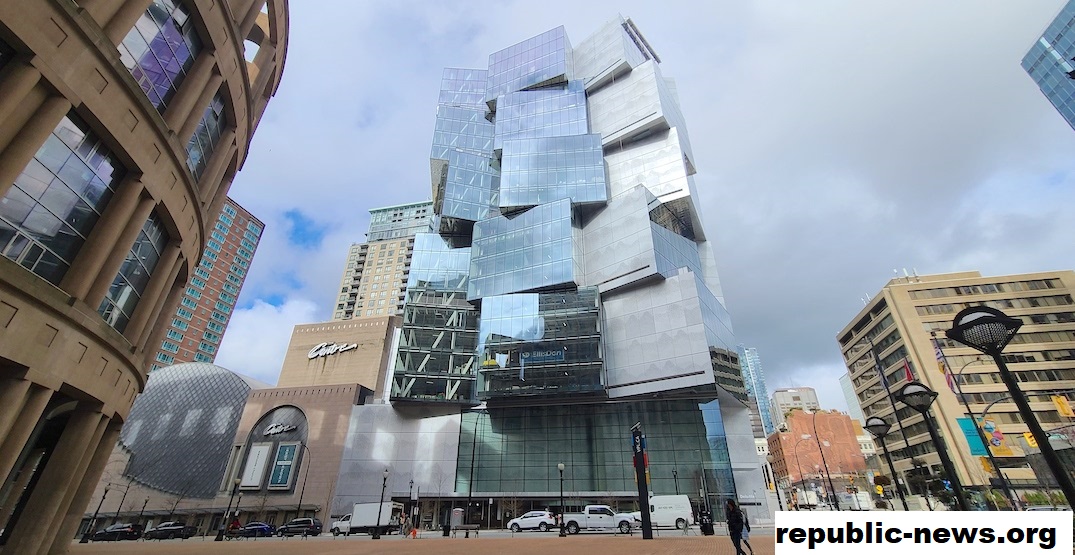
Koridor Teknologi Besar Selanjutnya? Antara Seattle dan Vancouver
Koridor Teknologi Besar Selanjutnya? Antara Seattle dan Vancouver – VANCOUVER, British Columbia Seattle dan Vancouver seperti saudara kembar yang terpisah sejak lahir. Keduanya adalah kota pesisir Pasifik Barat Laut yang ramai dengan populasi yang sadar lingkungan yang telah menerima tawar-menawar cuaca yang tidak menyenangkan hampir sepanjang tahun dengan imbalan lereng ski dan kayak di dekatnya serta musim panas yang indah.
Koridor Teknologi Besar Selanjutnya? Antara Seattle dan Vancouver

republic-news.org – Namun 140 mil jalan yang macet dan perbatasan internasional memisahkan kedua kota, membuat mereka lebih jauh dari yang ditunjukkan oleh identitas geografis dan budaya mereka.
Sekarang elit politik, akademik, dan teknologi dari kedua kota sedang mencari cara untuk mendekatkan mereka, dengan tujuan melanjutkan pertumbuhan dua ekonomi paling dinamis di Amerika Utara.
Baca Juga : 10 Teknologi Baru Yang Muncul Di Tahun 2023
“Vancouver memiliki lebih banyak kesamaan dengan Seattle daripada yang kami lakukan dengan Calgary, Montreal, Toronto, di mana pun di negara kami,” kata Christy Clark, perdana menteri British Columbia, dalam sebuah wawancara. “Kita harus memanfaatkan kesamaan budaya itu sebaik mungkin.”
Apakah visi besar mereka tentang “koridor inovasi Cascadia” – yang meminjam namanya dari pegunungan Cascade di kawasan itu – pernah terwujud, para pemimpin di kedua sisi perbatasan memiliki motif untuk segera menjadi lebih nyaman. Ikon teknologi Amerika seperti Microsoft, dengan kebutuhan rakus akan bakat teknik global, memperluas kantor mereka di Vancouver, sebagian karena proses imigrasi Kanada yang lebih lancar.
Untuk bagiannya, Vancouver ingin membawa lebih banyak perusahaan teknologi Amerika ke kota dengan harapan dapat melahirkan wirausahawan masa depan yang akan memperluas basis perusahaan teknologi yang relatif kecil.
Salah satu kendala serius bagi ambisi teknologi Vancouver adalah biaya perumahan yang sangat tinggi. Harga rata-rata untuk rumah terpisah di wilayah metropolitan pada bulan Agustus adalah 1,4 juta dolar Kanada (sekitar $1,06 juta), naik 27,8 persen dari tahun sebelumnya, menurut Dewan Real Estat Greater Vancouver. Di wilayah metropolitan San Francisco , harga rumah keluarga tunggal rata-rata sekitar $848.000, menurut Zillow .
Tapi sementara gaji rata-rata untuk pekerjaan yang berhubungan dengan teknologi adalah $112.000 setahun di San Francisco Bay Area, itu hanya di bawah $49.000 di Vancouver, menurut sebuah analisis oleh PayScale , sebuah perusahaan data kompensasi. (Beberapa perbedaan itu disebabkan oleh penurunan nilai mata uang Kanada relatif terhadap dolar Amerika Serikat.)
“Kami memiliki harga real estat San Francisco dengan pendapatan antara Reno dan Nashville,” kata Andy Yan, penjabat direktur program kota di Universitas Simon Fraser di Vancouver.
Di jalan-jalan ramai di pusat kota Vancouver, tanda-tanda tumbuhnya ikatan ekonomi wilayah Seattle dengan kota sulit untuk dilewatkan. Bangunan kantor kaca dan baja persegi panjang dengan tanda Microsoft besar menempati hampir seluruh blok kota, berada di atas toko Nordstrom besar (merek Seattle lainnya).
Microsoft mengatakan telah menginvestasikan $120 juta di kantor barunya di Vancouver, yang dibuka pada bulan Juni, dan mengharapkan untuk membelanjakan $90 juta lebih banyak setiap tahun untuk gaji dan biaya operasional lainnya. Ia berencana untuk mempekerjakan hampir 750 orang di kota.
Microsoft mempekerjakan orang Kanada untuk fasilitas tersebut, tetapi kebijakan imigrasi negara yang lebih terbuka merupakan faktor penting dalam investasinya, kata Brad Smith, presiden Microsoft, dalam sebuah wawancara. Microsoft dan perusahaan teknologi lainnya telah lama mengeluh bahwa sistem pendidikan Amerika Serikat tidak menghasilkan lulusan ilmu komputer yang cukup, memaksa mereka untuk bergantung pada imigran dari India, China, dan tempat lain.
Pekerja asing di Amerika Serikat dapat menunggu sekitar tiga kali lebih lama untuk mendapatkan visa kerja seperti yang dilakukan di Kanada, menurut perkiraan Boston Consulting Group. Dan prospek Donald J. Trump memenangkan kursi kepresidenan telah menimbulkan kekhawatiran di antara perusahaan teknologi, karena komentar kandidat dari Partai Republik tentang pembatasan lebih lanjut imigrasi ke Amerika Serikat.
“Saat ini, ada banyak ketidakpastian tentang imigrasi terbuka,” kata Mr. Smith.
Bulan lalu, pejabat dan eksekutif dari kedua kota berkerumun di sebuah hotel di Vancouver untuk membahas bagaimana memungkinkan orang, ide, dan modal mengalir lebih bebas di antara mereka, karena mengabaikan perbatasan internasional yang memisahkan kota-kota seperti kumpulan orca yang berenang di laut.
Pada konferensi Cascadia, Ms. Clark dan Jay Inslee, Gubernur Washington, menandatangani kesepakatan untuk mempererat hubungan antara Vancouver dan Seattle, termasuk lebih banyak kerjasama penelitian antara University of British Columbia dan University of Washington. Bill Gates, salah satu pendiri Microsoft, dan Satya Nadella, kepala eksekutifnya saat ini, berbicara tentang globalisasi dan pendidikan.
Satu proposal untuk menangani lalu lintas antara Vancouver dan Seattle adalah untuk jalur kereta api berkecepatan tinggi yang akan membawa para pelancong dengan kecepatan lebih dari 200 mil per jam antara kota-kota dalam 57 menit (bisa memakan waktu empat jam atau lebih dengan mobil). Rincian tentang pembiayaan proyek – yang dapat menelan biaya sekitar $30 miliar atau lebih – belum diselesaikan.
Sekelompok teknisi Seattle mengusulkan alternatif yang lebih murah: jalur khusus untuk kendaraan otonom di Interstate 5, jalan raya yang menghubungkan Seattle ke perbatasan Kanada. Rencana tersebut – yang mengandalkan kendaraan otonom yang masih membutuhkan banyak pekerjaan – tidak akan memangkas banyak waktu perjalanan antar kota, tetapi dapat mengurangi kebosanan perjalanan dengan membiarkan para pelancong bekerja atau menonton film, kata Tom Alberg, seorang manajer direktur di Madrona Venture Group, sebuah firma modal ventura Seattle, dan penulis proposal.
Berakar pada kayu dan perkapalan, ekonomi Vancouver telah terdiversifikasi dalam beberapa dekade terakhir dengan pertumbuhan produksi film dan video game. Kota tersebut mengklaim sebuah teknologi “unicorn” sebuah start-up bernilai lebih dari $1 miliar di Hootsuite, yang membuat alat media sosial.
Tetapi Vancouver tetap relatif kecil di bidang teknologi, dengan sekitar $1,78 miliar modal ventura mengalir ke perusahaan rintisan teknologi lokal dalam dekade terakhir, dibandingkan dengan sekitar $8,9 miliar di Seattle, perkiraan firma riset Pitchbook.
Namun, ledakan teknologi yang diharapkan kota ini dapat menemui hambatan jika tidak dapat mengatasi masalah biaya hidup, yang menurut beberapa standar lebih akut daripada yang mengganggu kota-kota berkembang lainnya. Vancouver menduduki peringkat ketiga kota paling tidak terjangkau di dunia, setelah Hong Kong dan Sydney, dalam sebuah penelitian yang diterbitkan tahun ini oleh Demographia, sebuah perusahaan konsultan.
Tuan Yan telah menghabiskan bertahun-tahun menganalisis nilai real estat yang melonjak di kampung halamannya dan menyimpulkan bahwa lonjakan modal asing , terutama dari Cina daratan, telah memisahkan harga rumah Vancouver dari ekonomi lokal. British Columbia baru-baru ini memberlakukan pajak 15 persen atas pembelian rumah baru di wilayah Vancouver oleh pembeli asing, sebuah langkah yang sekarang menghadapi tantangan hukum.
Pasar perumahan menunjukkan tanda-tanda mendingin, meski belum jelas berapa banyak yang disebabkan oleh pajak. Jumlah total rumah yang dijual di daerah tersebut pada bulan Agustus turun 26 persen dari tahun sebelumnya dan pertumbuhan harga telah melambat, menurut Dewan Real Estat Greater Vancouver.
Dennis Pilarinos, kepala eksekutif Buddybuild, pembuat alat pengembang untuk aplikasi seluler di Vancouver, mengatakan keterjangkauan tidak menjadi masalah bagi pekerja teknologi muda, yang mungkin bersedia menyewa apartemen yang lebih kecil dan tinggal bersama teman sekamar. Tetapi ketika perusahaan rintisan menjadi lebih besar, banyak yang berjuang untuk merekrut eksekutif senior dengan keluarga, kata Mr. Pilarinos, yang sebelumnya bekerja untuk Microsoft dan Amazon di Vancouver.

10 Teknologi Baru Yang Muncul Di Tahun 2023
10 Teknologi Baru Yang Muncul Di Tahun 2023 – Dunia berlomba untuk mengembangkan vaksin untuk COVID-19 , dan ada tanda-tanda menggembirakan yang mungkin akan kita temukan dalam waktu singkat.
10 Teknologi Baru Yang Muncul Di Tahun 2023

republic-news – Namun dalam situasi yang serupa di masa mendatang, dapatkah teknologi membantu kita mencapainya dengan lebih cepat? Ya, kata laporan baru dari Forum Ekonomi Dunia dan majalah Scientific American. Replika digital pengganti teknologi tinggi untuk sukarelawan manusia dapat membuat uji klinis lebih cepat dan lebih aman.
Tapi itu bukan satu-satunya inovasi yang akan mengguncang industri, perawatan kesehatan, dan masyarakat, menurut 10 Teknologi Berkembang Teratas tahun 2023. Dari pesawat listrik hingga sensor teknologi yang dapat “melihat” sudut, daftar tahun ini dikemas dengan kemajuan yang menginspirasi. Para ahli mengurangi sejumlah nominasi menjadi sekelompok perkembangan baru terpilih yang berpotensi mengganggu status quo dan memacu kemajuan nyata.
1. Microneedles untuk suntikan dan tes tanpa rasa sakit
Jarum kecil ini, dengan kedalaman tidak lebih dari selembar kertas dan selebar rambut manusia, dapat memberi kita suntikan dan tes darah tanpa rasa sakit. “Microneedles” menembus kulit tanpa mengganggu ujung saraf di bawahnya, dan dapat ditempelkan pada jarum suntik atau tambalan, atau bahkan dicampur ke dalam krim. Mereka dapat mengizinkan tes darah dilakukan di rumah dan dikirim ke laboratorium atau dianalisis di tempat. Dan karena penggunaannya tidak memerlukan peralatan mahal atau pelatihan tingkat tinggi, pengujian dan perawatan dapat dilakukan di daerah yang kurang terlayani membuat perawatan lebih mudah diakses.
2. Kimia bertenaga matahari
Membuat banyak bahan kimia yang kita andalkan membutuhkan bahan bakar fosil. Tapi pendekatan baru menjanjikan pengurangan emisi sektor ini dengan menggunakan sinar matahari untuk mengubah limbah karbon dioksida menjadi bahan kimia yang berguna. Perkembangan terbaru dalam katalis pengaktifan sinar matahari yang diperlukan untuk proses ini adalah langkah menuju pembuatan kilang “surya” untuk menghasilkan senyawa berguna dari gas limbah, yang dapat diubah menjadi segala sesuatu mulai dari obat-obatan dan deterjen hingga pupuk dan tekstil.
3. Pasien virtual
Jika tujuan menukar manusia dengan simulasi untuk membuat uji klinis lebih cepat dan lebih aman terdengar sederhana, ilmu di baliknya sama sekali tidak. Data yang diambil dari gambar organ manusia beresolusi tinggi dimasukkan ke dalam model matematika kompleks dari mekanisme yang mengontrol fungsi organ tersebut. Kemudian, algoritme komputer menyelesaikan persamaan yang dihasilkan dan menghasilkan organ virtual yang berperilaku seperti aslinya. Organ atau sistem tubuh virtual seperti itu dapat menggantikan orang dalam penilaian awal obat dan perawatan, membuat prosesnya lebih cepat, lebih aman, dan lebih murah.
Baca Juga : Teknologi Dan Masa Baik Amerika
4. Komputasi spasial
Komputasi spasial adalah langkah selanjutnya dalam menyatukan dunia fisik dan digital yang sudah kita lihat dengan aplikasi realitas virtual dan realitas tertambah. Seperti halnya VR dan AR, ini mendigitalkan objek yang terhubung melalui cloud, memungkinkan sensor dan motor bereaksi satu sama lain, dan menciptakan representasi digital dari dunia nyata. Namun lebih jauh lagi, menambahkan pemetaan spasial yang memungkinkan “koordinator” komputer melacak dan mengontrol pergerakan dan interaksi objek saat seseorang bergerak melalui dunia digital atau fisik. Teknologi ini akan membawa perkembangan baru dalam cara manusia dan mesin berinteraksi, dalam industri, perawatan kesehatan, transportasi, dan rumah.
5. Obat digital
Obat digital tidak akan menggantikan dokter dalam waktu dekat, tetapi aplikasi yang memantau kondisi atau memberikan terapi dapat meningkatkan perawatan mereka dan mendukung pasien dengan akses terbatas ke layanan kesehatan. Banyak jam tangan pintar sudah dapat mendeteksi jika pemakainya memiliki detak jantung yang tidak teratur, dan alat serupa sedang dikerjakan yang dapat membantu gangguan pernapasan, depresi, Alzheimer, dan banyak lagi. Pil yang mengandung sensor bahkan sedang dikembangkan ini mengirim data ke aplikasi untuk membantu mendeteksi hal-hal seperti suhu tubuh, pendarahan perut, dan DNA kanker.
6. Penerbangan listrik
Propulsi listrik akan memungkinkan perjalanan udara untuk mengurangi emisi karbon, memangkas biaya bahan bakar, dan menghasilkan pengurangan kebisingan yang besar. Sejumlah organisasi dari Airbus hingga NASA sedang mengerjakan teknologi di bidang ini, dan sementara penerbangan listrik jarak jauh mungkin masih jauh, dan ada rintangan biaya dan peraturan, ada investasi yang signifikan di luar angkasa. Ada sekitar 170 proyek pesawat listrik dalam pengembangan, terutama untuk perjalanan pribadi, perusahaan, dan komuter tetapi Airbus mengatakan pesawat listrik 100 penumpang siap lepas landas pada tahun 2030.
7. Semen rendah karbon
Saat ini, 4 miliar ton semen komponen utama beton diproduksi setiap tahun, dalam proses yang membutuhkan pembakaran bahan bakar fosil. Ini menyumbang sekitar 8% dari emisi CO2 global. Karena urbanisasi meningkat selama 30 tahun ke depan, angka ini akan meningkat menjadi 5 miliar ton. Para peneliti dan perusahaan baru sedang mengerjakan pendekatan rendah karbon, termasuk mengubah keseimbangan bahan yang digunakan dalam proses tersebut, menggunakan teknologi penangkapan dan penyimpanan karbon untuk menghilangkan emisi, dan mengeluarkan semen dari beton sama sekali.
8. Penginderaan kuantum
Bayangkan mobil self-driving yang dapat “melihat” di tikungan, atau pemindai portabel yang dapat memantau aktivitas otak seseorang. Penginderaan kuantum dapat membuat hal-hal ini dan lebih banyak lagi menjadi kenyataan. Sensor kuantum beroperasi dengan tingkat presisi yang ekstrim dengan mengeksploitasi sifat kuantum materi misalnya, menggunakan perbedaan antara elektron dalam keadaan energi yang berbeda sebagai unit dasar. Sebagian besar sistem ini rumit dan mahal, tetapi contoh yang lebih kecil dan lebih terjangkau sedang dikembangkan yang dapat membuka penggunaan baru.
9. Hidrogen hijau
Saat hidrogen terbakar, satu-satunya produk sampingannya adalah air dan saat diproduksi melalui elektrolisis menggunakan energi terbarukan, ia menjadi “hijau”. Awal tahun ini diperkirakan hidrogen hijau akan menjadi pasar $12 triliun pada tahun 2050. Mengapa? Karena itu bisa memiliki peran kunci dalam transisi energi dengan membantu dekarbonisasi sektor seperti pengiriman dan manufaktur yang lebih sulit untuk dialiri listrik karena membutuhkan bahan bakar berenergi tinggi.
10. Sintesis seluruh genom
Perbaikan dalam teknologi yang diperlukan untuk merancang sekuens genetik yang kemudian dimasukkan ke dalam mikroba memungkinkan untuk mencetak materi genetik dalam jumlah yang lebih besar dan mengubah genom secara lebih luas. Ini dapat memberikan wawasan tentang bagaimana virus menyebar atau membantu dalam memproduksi vaksin dan perawatan lainnya.
Di masa depan, ini dapat membantu memproduksi bahan kimia, bahan bakar, atau bahan konstruksi secara berkelanjutan dari biomassa atau limbah gas. Dan itu bahkan dapat memungkinkan para ilmuwan untuk merancang tanaman yang tahan patogen, atau kita untuk menulis genom kita sendiri tentu saja membuka pintu untuk kemungkinan penyalahgunaan, tetapi juga untuk penyembuhan penyakit genetik.
Forum Ekonomi Dunia mendukung dan membantu mendorong inovasi semacam ini, yang sangat penting bagi pertumbuhan ekonomi dan kesejahteraan masyarakat di masa depan, melalui kerja termasuk komunitas Perintis Teknologi dan jaringan Dewan Masa Depan Globalnya .
Teknologi Dan Masa Baik Amerika
Teknologi Dan Masa Baik Amerika – Dengan standar apa pun, ekonomi Amerika telah berjalan dengan sangat baik selama beberapa tahun terakhir. Inflasi telah rendah dan relatif stabil. Tingkat pengangguran telah melayang di sekitar 4 persen, tingkat yang tidak terlihat dalam satu generasi. Akan tetapi, yang paling luar biasa, produktivitas tenaga kerja output barang dan jasa dibagi dengan jam kerja yang dibutuhkan untuk menghasilkannya telah tumbuh pada tingkat tahunan 3 persen sejak tahun 1995, suatu kecepatan yang, jika dilanjutkan, akan memungkinkan peningkatan standar hidup dua kali lipat.
Teknologi Dan Masa Baik Amerika
republic-news – Dari rata-rata pekerja Amerika hanya dalam 25 tahun. Pertumbuhan ini jauh melampaui tingkat pertumbuhan tahunan 1,4 persen yang tercatat antara tahun 1973 dan 1995 dan bahkan lebih tinggi daripada tingkat pertumbuhan sekitar 2,5 persen yang dicapai setelah berakhirnya Perang Dunia II hingga tahun 1973, sebuah periode yang dijuluki oleh banyak ekonom sebagai “zaman keemasan” kinerja ekonomi Amerika.
Apa yang sangat luar biasa tentang produktivitas pasca-1995 adalah bahwa ia telah melonjak sementara pasar tenaga kerja ketat, atau tepatnya saat para ekonom mengharapkan pertumbuhan melambat karena perusahaan mempekerjakan pekerja yang paling tidak produktif. Hal sebaliknya terjadi selama ini, ekspansi negara yang paling lama, yang meskipun melambat pada penulisan ini tidak menunjukkan tanda-tanda akan berakhir, meskipun baru-baru ini terjadi gejolak di Timur Tengah dan volatilitas di pasar modal.
Jauhkan Boom Teknologi
Sementara penemuan baru, produk baru, dan proses industri biasanya ditemukan dan dikembangkan oleh sektor swasta, kebijakan publik memainkan peran penting dalam mendorong aktivitas inovatif. Tiga bidang kebijakan utama dibahas dalam terbitan ini, dan di masing-masing bidang tersebut penulis mengangkat alasan keprihatinan atau mendiskusikan kontroversi baru yang sebaiknya diselesaikan lebih cepat daripada nanti.
Salah satu cara penting di mana pemerintah federal, khususnya, telah merangsang kemajuan teknologi adalah dengan mendanai penelitian dasar seringkali pekerjaan yang sangat teoretis yang meletakkan dasar ilmiah untuk aplikasi komersial di masa mendatang. Sebagian besar revolusi teknologi informasi perangkat keras, perangkat lunak, teknik enkripsi, kecerdasan buatan, dan Internet itu sendiri berasal dari penelitian yang didanai pemerintah federal. Klaim serupa dapat dibuat untuk banyak pekerjaan komersial yang sekarang merevolusi bioteknologi.
Mendukung Sains Dasar
Untuk sebagian besar periode pascaperang, didorong oleh persaingan bangsa dengan Uni Soviet, pemerintah federal secara aktif mendukung ilmu pengetahuan dasar, terutama dalam kaitannya dengan kegiatan militer (dan pada tingkat lebih rendah, yang berhubungan dengan ruang angkasa). Meskipun penelitian ini telah menghasilkan beberapa spin-off yang disambut baik seperti Internet itu sendiri bagian federal dalam R&D keseluruhan telah turun sejak akhir Perang Dingin, dapat dimengerti.
Tapi seperti yang ditunjukkan oleh Linda Cohen dan Roger Noll, dukungan pemerintah terhadap sains dasar di luar kesehatan telah menjadi bagian yang lebih kecil dari kue penelitian total. Sangat menggoda untuk mengabaikan tren ini dengan menunjuk pada ledakan peningkatan pendanaan modal ventura untuk semua jenis usaha bisnis baru, terutama di bidang teknologi informasi. Tetapi pendanaan ventura terutama mendukung R&D terapan atau komersial, meningkatkan ide-ide yang asal-usulnya sering muncul dari penemuan-penemuan ilmiah dasar sebelumnya.
Paten dan Persaingan
Ada ketegangan antara dua instrumen kebijakan berikutnya untuk merangsang inovasi swasta. Di satu sisi, Konstitusi menjamin para penemu dan pengembang bahan tertulis monopoli sementara-paten dan hak cipta, yang ketentuannya dapat diperbaiki Kongres-untuk mendorong pengembangan ide dan karya baru. Undang-undang dan hukum umum juga melindungi merek dagang dan rahasia dagang karena alasan yang sama. Di sisi lain, sistem ekonomi kapitalis bertumpu pada keunggulan persaingan untuk merangsang pengusaha tidak hanya berinovasi, tetapi juga memangkas biaya, untuk tetap selangkah lebih maju dari persaingan.
Pentingnya persaingan telah diabadikan dalam berbagai undang-undang antimonopoli, yang memberikan wewenang kepada pemerintah (baik federal maupun negara bagian) untuk menghentikan merger yang dapat mengancam persaingan dan untuk menghentikan aktivitas bisnis yang menggagalkan persaingan, seperti penetapan harga dan bentuk aktivitas kolusi lainnya.
Teknologi dan Lingkungan
Pada catatan yang berbeda, kemajuan teknologi telah dipersalahkan di beberapa tempat karena menyebabkan hasil yang tidak diinginkan: pembangkit listrik dan mobil, misalnya, merupakan sumber utama polusi. Namun, tantangan yang dihadapi masyarakat bukanlah menghentikan kemajuan tersebut, tetapi menemukan cara untuk “menginternalisasi” biaya lingkungan ini sehingga produsen dan konsumen memperhitungkannya sepenuhnya saat membuat keputusan investasi dan pembelian. Faktanya, regulator lingkungan federal telah mencoba melakukan hal itu dengan mengadopsi perangkat seperti pasar seperti perdagangan emisi untuk mengurangi polusi dengan cara yang hemat biaya.
David Austin dan Molly Macauley mendemonstrasikan dalam artikel mereka bagaimana insentif semacam itu dapat mendorong teknologi untuk membantu pembersihan lingkungan. Mobil saat ini mengeluarkan polusi yang jauh lebih sedikit daripada 20 tahun lalu karena dilengkapi dengan konverter katalitik, dan, baru-baru ini, dengan sensor yang secara dramatis meningkatkan efisiensi mesin mobil. Sel bahan bakar menjanjikan pengurangan emisi karbon dioksida, yang dianggap sebagai penyebab utama di balik pemanasan global. Teknologi satelit digunakan untuk meningkatkan hasil panen dan kesehatan sekaligus mengurangi kebutuhan akan bahan kimia yang berbahaya bagi lingkungan.
Tantangan Kebijakan Baru
Sama seperti teknologi yang mengubah cara hidup kita, teknologi juga menciptakan berbagai tantangan baru bagi para pembuat kebijakan. Artikel dalam keseimbangan edisi ini membahas beberapa tantangan yang muncul dari teknologi baru terpanas, Internet. Pertama-tama pertimbangkan masalah keamanan dan privasi yang menjengkelkan dan berkaitan erat.
Jajak pendapat publik secara konsisten menunjukkan bahwa lebih banyak orang akan menggunakan Internet jika mereka merasa lebih nyaman bahwa informasi pribadi yang mereka berikan aman dan jika mereka diberi pilihan tentang bagaimana informasi itu nantinya dapat digunakan atau kepada siapa informasi itu dapat ditransfer. Pada prinsipnya, kedua kekhawatiran tersebut pada akhirnya harus dihilangkan sampai tingkat tertentu oleh kemajuan teknologi dalam browser dan perangkat lunak. Lebih banyak undang-undang privasi mungkin juga akan segera hadir.
Hak Cipta dan Internet
Rangkaian masalah kebijakan kedua yang ditimbulkan oleh Internet—atau lebih tepatnya, oleh program perangkat lunak Napster yang dikembangkan oleh Shawn Fanning yang saat itu berusia 19 tahun—adalah bagaimana, jika ada, melindungi hak cipta di Internet. Napster digunakan oleh puluhan juta orang di Amerika Serikat dan tempat lain di seluruh dunia (mungkin termasuk banyak pembaca majalah ini) untuk bertukar rekaman digital. Pada tulisan ini, nasib hukum Napster tidak jelas, dengan percekcokan lanjutan di pengadilan diharapkan untuk beberapa waktu. Tetapi prospek bahwa teknologi berbagi file seperti Napster, yang sekarang jumlahnya banyak, memungkinkan penyalinan tanpa batas tidak hanya rekaman, tetapi juga video, buku, dan program perangkat lunak,
Baca Juga; 10 Perusahaan Pengembangan Aplikasi Seluler Terpercaya Di Chicago, AS
Jonathan Band dan Cary Sherman mengambil pandangan berlawanan tentang hal ini dalam artikel mereka. Band berpendapat bahwa undang-undang baru-baru ini, ditambah dengan enkripsi baru atau kontrol penyalinan yang kemungkinan akan segera tersedia, akan memberi penyedia konten perlindungan hak cipta yang terlalu luas, menghambat “penggunaan wajar” rekaman dan karya berhak cipta lainnya, sehingga merugikan perpustakaan khususnya. Sherman menanggapi dengan membela perjuangan hukum industri rekaman untuk mencegah program berbagi file mengikis nilai hak cipta dan dengan demikian mengurangi insentif bagi artis untuk membuat dan menampilkan musik di masa mendatang.
Kesenjangan Digital
Yang disebut kesenjangan digital dan cara menutupnya adalah masalah kebijakan lain yang terkait dengan Internet. Faktanya, popularitas dan kegunaan Internet yang semakin meningkat sebagai cara untuk belajar, terhubung dengan orang lain, dan membeli barang dan jasa dengan biaya lebih rendah atau dengan kenyamanan yang lebih besar adalah alasan mengapa banyak orang mendukung komitmen nasional, didukung dengan instrumen kebijakan yang sesuai. , untuk menyediakan sesuatu yang mirip dengan akses universal ke Internet.
Pada tahun 1996, Kongres mengambil langkah ke arah ini dengan mengesahkan program nasional untuk mensubsidi akses Internet untuk sekolah, rumah sakit, dan perpustakaan. Tetapi akses di rumah jauh lebih tidak universal, sekitar 50 persen (dan bahkan lebih rendah di sebagian besar negara lain). Meskipun demikian, Robert Crandall memiliki pandangan skeptis terhadap kebutuhan dan kesesuaian pemerintah untuk berbuat lebih banyak untuk mensubsidi kepemilikan perangkat keras dan layanan Internet reguler untuk individu (apalagi layanan broadband, yang kini hanya diambil oleh 3 persen dari semua rumah tangga).
Inovasi dan Pertumbuhan Ekonomi
Kemajuan teknologi sangat mirip dengan pepatah angsa yang terus bertelur emas pertumbuhan ekonomi. Tetapi prosesnya tidak dapat dan tidak boleh dianggap remeh. Keputusan yang diambil pembuat kebijakan untuk mendanai penelitian, untuk memberikan hak kekayaan intelektual, dan untuk menegakkan undang-undang antimonopoli, antara lain sangat memengaruhi laju kemajuan teknologi dan bentuk yang diambilnya. Pada gilirannya, teknologi baru mengarah pada tantangan kebijakan baru.
Dalam artikel penutup dalam terbitan ini, tim peneliti dari Harvard memberikan beberapa bukti survei yang menunjukkan bahwa, secara keseluruhan, orang Amerika sangat optimis tentang munculnya teknologi baru khususnya penemuan medis baru dan sebagian besar percaya bahwa manfaat ilmu pengetahuan penelitian melebihi kerugiannya. Demikian pula, sebagian besar percaya bahwa revolusi komputer memiliki dampak yang menguntungkan pada masyarakat-meskipun ada beberapa kerugian (kekhawatiran tentang privasi, ketersediaan pornografi di Internet, dan keamanan).

10 Perusahaan Pengembangan Aplikasi Seluler Terpercaya Di Chicago, AS
10 Perusahaan Pengembangan Aplikasi Seluler Terpercaya Di Chicago, AS – Di era ini, penggunaan teknologi di pasar telah meningkat pesat. Saat ini klien akan menggunakan ponsel cerdas dan aplikasi seluler telah meningkat pesat. Ini adalah tanda yang jelas bagi pemasar untuk menargetkan audiens ini. Begitu banyak perusahaan pengembang aplikasi teratas mulai membangun aplikasi untuk perusahaan mereka kepada klien dengan lebih banyak klien secara efektif.
Di kota Chicago, ada banyak penyedia layanan pengembangan aplikasi seluler. Beberapa dari mereka sangat fokus pada layanan pengembangan web dengan perancangan aplikasi. Seperti yang Anda ketahui bahwa ada variasi besar dalam bisnis situs web & aplikasi seluler sehingga, proses perancangan & kode mereka tidak akan pernah bisa dibandingkan.
10 Perusahaan Pengembangan Aplikasi Seluler Terpercaya Di Chicago, AS
republic-news – Jadi, spesialisasi dan kesempurnaan diperlukan untuk membuat aplikasi yang paling menarik dengan fitur terbaik. Dari ratusan & ribuan pengembang aplikasi di Chicago Amerika Serikat, saya telah memilih 10 perusahaan pengembang aplikasi seluler peringkat teratas di Chicago AS yang disebut sebagai pakar industri teknologi. Di sini Anda dapat bertemu dengan mereka & mendiskusikan proyek impian Anda di sebuah pangkalan.
Sistem Info Hyper
link Ini adalah perusahaan pengembangan seluler terbaik yang menyediakan semua fungsi dasar dengan cara yang sangat efektif. Perusahaan telah melayani berbagai klien di seluruh dunia untuk pengembangan aplikasi di domain seperti Kesehatan, Pendidikan, Hiburan & Media Sosial, Perangkat yang Dapat Dipakai, dan banyak lagi.
Tetap keahlian dalam pengembangan aplikasi seluler pada platform terkemuka seperti iOS, Android, dan Windows. Sejak 2011, Hyperlink Infosystem telah menghasilkan proyek-proyek unggulan dan melayani berbagai klien dari seluruh dunia. Dengan layanan jaminan kualitas terbaik, mereka menyediakan setiap & setiap proyek mereka tanpa kesalahan waktu.
PointClear
Solutions adalah konsultan kesehatan digital terbaik yang menyediakan layanan rencana, desain, pengembangan, dan manajemen solusi terbaik untuk klien di seluruh dunia, yang mencakup industri perawatan kesehatan. Mereka telah tumbuh dengan mengembangkan tim ahli, mencapai wawasan mendalam ke dalam sektor perawatan kesehatan, dan bekerja sama dengan klien perusahaan & start-up untuk mengembangkan solusi perangkat lunak terdepan untuk membahas tantangan terbesar industri. Mereka selalu membuat aplikasi seluler yang ramah pengguna yang dapat diakses di berbagai platform.
Stanfa
Mereka adalah perusahaan pengembang aplikasi yang berspesialisasi dalam solusi perangkat lunak untuk elektronik seluler & terhubung. Untuk menentukan konsep produk dengan penelitian UX, desain UX/UI & pengembangan perangkat lunak yang gesit & jaminan properti, mereka memastikan produk Anda akan diluncurkan tepat waktu dan dalam kualitas yang hebat. Untuk memfokuskan upaya mereka dalam menyampaikan metrik utama & mengoptimalkan produk untuk Pengalaman Pengguna terbaik. Sejak didirikan, mereka menangkap konsep dengan sangat kuat dan sangat cepat.
Baca Juga; Memperbaiki Masalah Yang Mengganggu Pembantu Rumah Tangga Indonesia
Ebbex
Ebbex adalah perusahaan konsultasi & pengembangan seluler yang berspesialisasi dalam aplikasi perusahaan. Mereka secara konsisten membantu klien mereka menetapkan strategi seluler & cloud untuk merek mereka dengan memahami bisnis mereka & cara terbaik untuk bertahan di area seluler. Setelah kursus dibuat, mereka bekerja dengan klien mereka untuk membuat aplikasi seluler khusus siap pakai.Perusahaan terkemuka dunia dan start-up paling menarik mempercayai mereka untuk mengembangkan aplikasi seluler mereka.
Apollo Matriks Inc.
Apollo Matrix adalah perusahaan pengembang aplikasi seluler yang berspesialisasi dalam pengembangan aplikasi seluler & web. Sebagai perusahaan layanan penuh, mereka menyediakan strategi, desain, dan pengembangan produk. Mereka senang membantu organisasi mencapai tujuan penting mereka dengan mengembangkan aplikasi seluler & web untuk mereka dan penggunanya. Setiap klien Apollo memiliki pusatnya dan merupakan salah satu yang terbesar di area fokus intinya. Sebagai mitra, ini difokuskan untuk memberikan pengalaman seluler & web terkait berkualitas tinggi sehingga klien & Apollo dapat menjadi yang terbaik dalam apa yang mereka lakukan.
SnapMobile SnapMobile adalah tim pakar seluler dalam produk, pengembangan, desain, dan ekstensi. Dengan mengambil cara terbaik untuk pengembangan aplikasi kustom, mereka dapat mengembangkan aplikasi iOS dan Android dalam empat minggu dengan biaya reguler. Spesialisasi mereka adalah bekerja dengan beberapa klien yang didorong oleh anggaran & jadwal terbaik.
Mereka bekerja dengan klien untuk menentukan koleksi fitur minimum, membangun & merilis aplikasi dalam sebulan, lalu mengulang dengan cepat berdasarkan umpan balik pengguna dan data pasar.
Red Foundry
Red Foundry adalah perusahaan pengembang aplikasi terbaik yang didirikan pada tahun 2009. Mereka berpikir hebat, mendesain dengan cerdas & berkembang dengan cepat untuk semua layar, proyek, dan tim yang merangsang ide digital dengan layanan teknologi end-to-end. Mereka memperkirakan dengan cepat & mengelola setiap tahap siklus hidup perangkat lunak, ide, rencana, desain, pengembangan & jaminan kualitas. Selain itu, layanan dukungan aplikasi mereka benar-benar menjaga aplikasi Anda tetap terbaik di dunia di mana setiap hal bergerak sepanjang waktu.
kohaktif
kohactive adalah perusahaan desain & pengembangan web terkemuka yang berlokasi di Chicago, yang memberikan strategi terbaik, situs web yang bagus, dan aplikasi seluler didorong melalui penceritaan akun. Tujuan mereka adalah untuk mendukung perusahaan menyelesaikan masalah dengan desain & teknologi. Mereka memiliki desainer, pengembang, dan ahli strategi yang bersemangat dengan keinginan yang tidak terpuaskan untuk mengembangkan produk yang luar biasa. Mereka bekerja dengan klien untuk membuat produk baru, membuat aplikasi lama, dan membuat MVP & prototipe.
Itexus LLC
Itexus LLC adalah konsultan teknologi global yang melatih perangkat lunak multi-platform & perubahan perangkat yang terhubung. Mereka merancang, merancang, mengembangkan, dan memasarkan aplikasi & solusi digital untuk Smartphone, tablet, dan perangkat lainnya. Mereka ingin membangun produk terbaik yang disukai dan dipuji klien mereka. Komitmen mereka terhadap layanan pelanggan yang sangat baik hanyalah salah satu faktor yang memberi kami keunggulan dalam industri yang sangat kompetitif ini.
KeyLimeTie
KeyLimeTie adalah agen desain, pengembangan, dan strategi digital layanan lengkap, membantu klien berinteraksi lebih efisien & dekat dengan klien mereka melalui saluran pemasaran interaktif. Mereka berspesialisasi dalam pengembangan aplikasi web & seluler melalui berbagai platform, Mereka menyediakan manajemen konten, e-commerce, dan solusi aplikasi khusus selama juga membantu pelanggan dengan operasi media sosial & manajemen reputasi. Perusahaan terkemuka dunia dan start-up paling menarik mempercayai mereka untuk mengembangkan aplikasi seluler mereka.
Daftar 10 perusahaan pengembang aplikasi seluler tepercaya di Chicago, AS didirikan oleh tim peneliti ahli. Data telah diambil oleh survei dan analisis lainnya. Beri komentar jika Anda ingin menyarankan lebih banyak perusahaan. Saran & ide Anda dipersilakan. Nantikan pembaruan yang lebih nyata untuk mencari tahu siapa yang memimpin pasar pengembangan aplikasi seluler.

Memperbaiki Masalah Yang Mengganggu Pembantu Rumah Tangga Indonesia
Memperbaiki Masalah Yang Mengganggu Pembantu Rumah Tangga Indonesia – Pemerintah Malaysia harus memperbaiki kelemahan mendasar dalam sistem perekrutan dan perlindungan pekerja rumah tangga atau menghentikan perekrutan pembantu rumah tangga Indonesia. Penasihat Asosiasi Agen Tenaga Kerja Nasional Malaysia (Pikap) Datuk Raja Zulkepley Dahalan mengklaim banyak agen yang merekrut pekerja rumah tangga telah tutup atau bermigrasi untuk menawarkan pembantu sebagai pekerja paruh waktu, sebuah praktik yang dilarang oleh hukum.
Dia, bagaimanapun, mengatakan kemacetan dalam perekrutan diperkirakan akan terus menghancurkan industri ini karena Indonesia, khususnya, tidak senang dengan beberapa aspek dari Memorandum of Understanding (MoU) yang ditandatangani dengan Malaysia tahun ini dan pelaksanaan perjanjian tersebut. “Kemacetan ini akan terus berlanjut kecuali kami mengatasi masalah ini dengan segera, termasuk upah RM1.500.
Memperbaiki Masalah Yang Mengganggu Pembantu Rumah Tangga Indonesia
“Ada begitu banyak penolakan dari majikan, dan dilihat dari laporan berita, Indonesia juga tampaknya tidak tertarik mengirim pembantu mereka ke sini karena dugaan pelecehan.” Raja Zulkepley mengatakan Indonesia menyediakan sebagian besar pekerja rumah tangga ke Malaysia, yang juga mencari pembantu rumah tangga dari 14 negara lain. “Malaysia tidak boleh berada di sisi buruk Indonesia karena itu adalah tenaga kerja dengan harga paling masuk akal. Malaysia harus menyelesaikan masalah ini,” katanya kepada New Straits Times .
Dia mengatakan di antara masalah itu adalah hal-hal yang tidak jelas terkait siapa yang akan membayar tagihan jika rawat inap, operasi, dan kunjungan dokter. Raja Zulkepley juga menggemakan keluhan dari agen dan pengusaha bahwa pemerintah belum membagikan MoU tertulis secara lengkap di domain publik. “Sebagian besar agen menawarkan pertanggungan dari tiga bulan hingga dua tahun untuk masalah ini. Tetapi pertanyaan tentang siapa yang membayar operasi dan rawat inap tidak terkait dengan kecelakaan atau ditanggung oleh asuransi tetapi ditanggung oleh pemberi kerja selama perekrutan harus diselesaikan dengan MoU.”
Dia juga mengatakan ada pertanyaan tentang apa yang akan terjadi jika pekerja rumah tangga tersebut positif Covid-19 dan perlu dirawat di rumah sakit. “Kita perlu menyelesaikan masalah ini dengan kebijakan yang jelas dan sehat. Pengusaha juga harus memeriksa hak istimewa dan hak mereka saat mempekerjakan pekerja. “Saya meramalkan kematian industri ini sebelum pandemi. Mungkin lebih cepat berkat gangguan pandemi. “Dan di tahun-tahun mendatang, saya yakin pembantu rumah tangga akan menjadi sangat mahal sehingga hanya kelompok berpenghasilan 20 Teratas dan mereka yang berada dalam kelompok sub-penghasilan 40 menengah yang lebih tinggi yang mampu membelinya.
Baca Juga; Situs Ulasan Mobil Terbaik Di Tahun 2022
Bayangkan masa depan tanpa pembantu untuk merawat anak-anak Anda atau orang tua yang sakit. ” Raja Zulkepley juga menegaskan kembali perlunya memarkir semua urusan terkait buruh migran di bawah Kementerian Sumber Daya Manusia karena lembaga mereka menggarisbawahi semua urusan dan kebijakan terkait ketenagakerjaan. Indonesia telah membunyikan alarm bahwa pihaknya berencana untuk secara bertahap menghentikan pengiriman warga negaranya untuk bekerja sebagai pembantu rumah tangga di luar negeri.
Wakil presiden Asosiasi Agen Tenaga Kerja Malaysia Alfred Tan mengatakan agen telah meminta 30.000 hingga 50.000 pekerja rumah tangga pada tahun 2020. “Namun, tidak ada agensi yang saya tahu telah menerimanya. “Satu-satunya pembantu rumah tangga yang masuk ke negara itu selama ini, saya percaya, adalah melalui sistem Maid Online, di mana majikan Malaysia langsung mempekerjakan para pekerja ini menggunakan kartu pengunjung dan mengajukan visa kerja dalam waktu 30 hari,” katanya, menggambarkan sistem tersebut. Indonesia tidak mengakui dan dikritik oleh para aktivis karena tidak adanya perlindungan hukum bagi pekerja.
Lebih lanjut dia meminta Departemen Tenaga Kerja untuk memberikan prosedur operasi standar yang lebih jelas diperbarui dengan pedoman MoU untuk proses aplikasi pembantu rumah tangga. Tan juga meminta Departemen Imigrasi untuk memproses aplikasi dengan cepat karena persetujuan yang lebih cepat berarti biaya perekrutan yang lebih rendah. “Secara keseluruhan, harus ada transparansi dalam MoU, sehingga pemberi kerja dan publik tahu apa yang diharapkan. Semua ini harus dimasukkan ke dalam domain publik.”
NST melaporkan bahwa MoU tentang pekerjaan dan perlindungan pekerja rumah tangga Indonesia di Malaysia, yang ditandatangani antara kedua negara pada 1 April, dapat dianggap sebagai macan ompong karena tidak mengikat secara hukum. Sementara itu, KBRI di sini sedang meminta klarifikasi dari Indonesia atas kegagalan mendatangkan tenaga kerja ke dalam negeri sesuai jadwal. Berita Harian melaporkan pada Rabu bahwa Duta Besar Indonesia untuk Malaysia, Hermono, mengatakan berdasarkan informasi awal, hal itu karena faktor visa dan dokumen perjalanan yang tidak lengkap. Ia juga mengatakan pihak kedutaan belum mendapatkan informasi detail mengenai situasi tersebut, selain meminta Kementerian Ketenagakerjaan RI untuk mendapatkan masukan dari pihak terkait.
Ia menambahkan, Indonesia telah memutuskan untuk menunda masuknya tenaga kerja Indonesia ke Malaysia sampai masalah tersebut diselesaikan di pihak republik. “Saya paham ada yang mengatakan ini (kegagalan tenaga kerja Indonesia masuk ke Malaysia) karena masalah visa. Visa yang dikeluarkan Kedutaan Besar Malaysia di Indonesia adalah visa ‘single entry’. “Kami sudah mengklarifikasi bahwa ini adalah prosedurnya. “Visa ‘single entry’ pertama akan dikeluarkan kemudian para pekerja akan menjalani pemeriksaan kesehatan dan setelah semua disetujui, Departemen Imigrasi Malaysia akan mengeluarkan izin kerja,” kata Hermono.
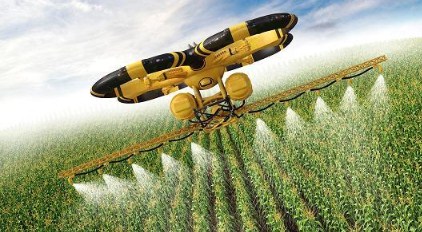
6 Teknologi Berkembang Teratas tahun 2022
6 Teknologi Berkembang Teratas tahun 2022 – Suatu hari nanti, teknologi yang muncul yang disorot dalam laporan ini akan memungkinkan Anda untuk berteleportasi secara virtual ke situs yang jauh dan benar-benar merasakan jabat tangan dan pelukan sesama penjelajah dunia maya. Juga hampir menjadi hal biasa: robot humanoid (dan animaloid) yang dirancang untuk bersosialisasi dengan manusia; sistem untuk menunjukkan dengan tepat sumber wabah keracunan makanan hanya dalam hitungan detik; lensa sangat kecil yang akan membuka jalan bagi kamera mungil dan perangkat lain; plastik yang kuat dan mudah terurai yang dapat dibuat dari limbah tanaman yang tidak berguna; Sistem penyimpanan data berbasis DNA yang secara andal akan menyimpan sejumlah besar informasi; dan banyak lagi.
Bersama dengan Forum Ekonomi Dunia, Scientific American mengadakan Kelompok Pengarah internasional yang terdiri dari pakar teknologi terkemuka dan terlibat dalam proses yang intens untuk mengidentifikasi “10 Teknologi Baru yang Muncul” tahun ini. Setelah meminta nominasi dari pakar tambahan di seluruh dunia, Kelompok Pengarah mengevaluasi lusinan proposal berdasarkan sejumlah kriteria: Apakah teknologi yang disarankan memiliki potensi untuk memberikan manfaat besar bagi masyarakat dan ekonomi?
6 Teknologi Berkembang Teratas tahun 2022
Bisakah mereka mengubah cara yang sudah mapan dalam melakukan sesuatu? Apakah mereka masih dalam tahap awal pengembangan tetapi menarik banyak minat dari laboratorium penelitian, perusahaan atau investor? Apakah mereka akan membuat terobosan signifikan dalam beberapa tahun ke depan? Grup mencari lebih banyak informasi jika diperlukan dan menyempurnakan daftar dalam empat pertemuan virtual. Kami harap Anda menikmati hasilnya, dan kami menyambut tanggapan Anda.
1 LINGKUNGAN : BIOPLASTIK BISA MEMECAHKAN MASALAH POLUSI UTAMA
Peradaban kita dibangun di atas plastik. Pada tahun 2014 saja, industri menghasilkan 311 juta metrik ton, jumlah yang diperkirakan akan meningkat tiga kali lipat pada tahun 2050, menurut World Economic Forum. Namun kurang dari 15 persennya didaur ulang. Sebagian besar sisanya dibakar, disimpan di tempat pembuangan sampah atau ditinggalkan di lingkungan di mana, karena tahan terhadap pencernaan mikroba, ia dapat bertahan selama ratusan tahun. Puing-puing plastik yang terakumulasi di lautan menyebabkan berbagai macam masalah, mulai dari membunuh satwa liar saat tertelan secara keliru hingga melepaskan senyawa beracun. Ia bahkan bisa masuk ke tubuh kita melalui ikan yang terkontaminasi.
Plastik biodegradable dapat meringankan masalah ini, berkontribusi pada tujuan ekonomi plastik “sirkular” di mana plastik berasal dan diubah kembali menjadi biomassa. Seperti plastik standar yang berasal dari petrokimia, versi biodegradable terdiri dari polimer (molekul rantai panjang) yang dapat dicetak saat dalam keadaan cair menjadi berbagai bentuk.
Pilihan yang tersedia saat ini kebanyakan terbuat dari jagung, tebu, atau limbah lemak dan minyak umumnya tidak memiliki kekuatan mekanik dan karakteristik visual dari jenis standar. Terobosan terbaru dalam memproduksi plastik dari selulosa atau lignin (bahan kering pada tumbuhan) menjanjikan untuk mengatasi kekurangan tersebut. Sebagai keuntungan tambahan bagi lingkungan, selulosa dan lignin dapat diperoleh dari tumbuhan bukan pangan, seperti alang-alang raksasa,
Selulosa, polimer organik paling melimpah di bumi, merupakan komponen utama dinding sel tumbuhan; lignin mengisi ruang di dinding tersebut, memberikan kekuatan dan kekakuan. Untuk membuat plastik dari zat-zat tersebut, produsen pertama-tama harus memecahnya menjadi bahan penyusun, atau monomer. Penyelidik baru-baru ini menemukan cara untuk melakukannya untuk kedua zat tersebut.
2 TEKNIK: ROBOT SOSIAL BERMAIN BAIK DENGAN ORANG LAIN
Dalam industri dan kedokteran, robot secara rutin membangun, menghancurkan, dan memeriksa berbagai hal; mereka juga membantu dalam operasi dan mengeluarkan obat resep di apotek. Baik mereka maupun robot “sosial” yang dirancang untuk terlibat dengan orang-orang dan untuk mendapatkan hubungan emosional berperilaku seperti pelayan The Jetsons , Rosie, atau droid fiksi favorit lainnya. Meski begitu, perkirakan robot sosial akan menjadi lebih canggih dan lazim dalam beberapa tahun mendatang. Bidang tersebut tampaknya telah mencapai titik kritis, dengan bot memiliki kemampuan interaktif yang lebih besar dan melakukan tugas yang lebih berguna daripada sebelumnya.
Seperti kebanyakan robot, robot sosial menggunakan kecerdasan buatan untuk memutuskan bagaimana bertindak berdasarkan informasi yang diterima melalui kamera dan sensor lainnya. Kemampuan untuk menanggapi dengan cara yang tampak hidup telah diinformasikan oleh penelitian tentang isu-isu seperti bagaimana persepsi terbentuk, apa yang membentuk kecerdasan sosial dan emosional, dan bagaimana orang dapat menyimpulkan pikiran dan perasaan orang lain.
Kemajuan dalam AI telah memungkinkan desainer untuk menerjemahkan wawasan psikologis dan ilmu saraf ke dalam algoritme yang memungkinkan robot mengenali suara, wajah, dan emosi; menafsirkan ucapan dan gerak tubuh; menanggapi dengan tepat isyarat verbal dan nonverbal yang kompleks; membuat kontak mata; berbicara secara percakapan; dan beradaptasi dengan kebutuhan orang dengan belajar dari umpan balik, penghargaan, dan kritik.
Baca Juga; Perusahaan Teknologi Medis AS Masimo Membuka Pusat Penelitian Besar Di Vancouver
3 REKAYASA : LENSA KECIL AKAN MEMUNGKINKAN DESAIN PERANGKAT OPTIK MINIATUR
Karena telepon, komputer, dan elektronik lainnya semakin kecil, komponen optiknya dengan keras kepala menolak untuk menyusut. Khususnya, sulit untuk membuat lensa kecil dengan teknik pemotongan kaca dan pelengkungan kaca tradisional, dan elemen dalam lensa kaca seringkali perlu ditumpuk untuk memfokuskan cahaya dengan tepat. Insinyur baru-baru ini menemukan banyak fisika di balik alternatif yang jauh lebih kecil dan lebih ringan yang dikenal sebagai metalenses. Lensa ini memungkinkan miniaturisasi mikroskop dan alat laboratorium lainnya yang lebih besar, serta produk konsumen, seperti kamera, headset realitas virtual, dan sensor optik untuk Internet of Things. Dan mereka dapat meningkatkan fungsionalitas serat optik.
Sebuah metalens terdiri dari permukaan datar, lebih tipis dari mikron, yang ditutupi dengan berbagai benda berskala nano, seperti pilar yang menonjol atau lubang yang dibor. Saat cahaya datang mengenai elemen-elemen ini, banyak dari sifatnya berubah termasuk polarisasi, intensitas, fase, dan arah rambatnya. Para peneliti dapat dengan tepat memposisikan objek berskala nano untuk memastikan bahwa cahaya yang keluar dari logam memiliki karakteristik yang dipilih. Terlebih lagi, metalense sangat tipis sehingga beberapa dapat duduk di atas satu sama lain tanpa peningkatan ukuran yang signifikan. Para peneliti telah mendemonstrasikan perangkat optik seperti spektrometer dan polarimeter yang dibuat dari tumpukan permukaan datar ini.
4 MEDIS & BIOTEKNOLOGI : KELAS KHUSUS PROTEIN MENAWARKAN TARGET MENJANJIKAN UNTUK OBAT KANKER DAN ALZHEIMER
Beberapa dekade yang lalu para ilmuwan mengidentifikasi kelas protein tertentu yang mendorong penyakit dari kanker hingga penyakit neurodegeneratif. “Protein yang tidak teratur secara intrinsik” (IDP) ini terlihat berbeda dari protein dengan struktur kaku yang lebih dikenal di dalam sel. Pengungsi adalah pengubah bentuk, muncul sebagai ansambel komponen yang secara konstan mengubah konfigurasi. Struktur longgar ini ternyata memungkinkan IDP menyatukan berbagai macam molekul pada saat-saat kritis, seperti selama respons sel terhadap stres. Protein yang kurang fleksibel cenderung memiliki jumlah mitra pengikat yang lebih terbatas. Ketika pengungsi tidak berfungsi dengan baik, penyakit dapat terjadi.
Namun peneliti medis belum mampu menciptakan perawatan untuk menghilangkan atau mengatur IDP yang tidak berfungsi. Memang, banyak yang disebut undrugable. Itu karena sebagian besar obat-obatan yang sekarang digunakan membutuhkan struktur yang stabil untuk disasar, dan para pengungsi tidak bertahan cukup lama. Protein tidak teratur yang terkenal yang dapat menyebabkan kanker—termasuk c-Myc, p53, dan K-RAS—terbukti terlalu sulit dipahami. Tapi gambar ini mulai berubah.
5 LINGKUNGAN : PUPUK YANG LEBIH CERDAS DAPAT MENGURANGI PENCEMARAN LINGKUNGAN
Untuk memberi makan populasi dunia yang terus bertambah, petani perlu meningkatkan hasil panen. Menerapkan lebih banyak pupuk bisa membantu. Tetapi versi standar bekerja dengan tidak efisien dan seringkali merusak lingkungan. Untungnya, produk yang lebih ramah lingkungan—pupuk dengan pelepasan terkontrol—tersedia dan menjadi semakin cerdas. Petani biasanya memupuk tanaman dengan dua cara. Mereka menyemprot ladang dengan amonia, urea, atau zat lain yang menghasilkan nitrogen nutrisi saat bereaksi dengan air.
Dan mereka menerapkan butiran kalium atau mineral lain untuk menghasilkan fosfor, juga sebagai reaksi terhadap air. Tetapi relatif sedikit dari nutrisi tersebut yang masuk ke tanaman. Alih-alih, sebagian besar nitrogen masuk ke atmosfer dalam bentuk gas rumah kaca, dan fosfor berakhir di daerah aliran sungai, seringkali memicu pertumbuhan alga dan organisme lain yang berlebihan. Sebaliknya, formulasi pelepasan terkontrol dapat memastikan bahwa tingkat nutrisi yang jauh lebih tinggi mencapai tanaman, menghasilkan hasil yang lebih tinggi dengan pupuk yang lebih sedikit.
6 KOMPUTASI: TELEPRESENCE KOLABORATIF BISA MEMBUAT JARAK (RELATIF) TIDAK BERARTI
Bayangkan sekelompok orang di berbagai belahan dunia berinteraksi dengan lancar seolah-olah mereka bersama secara fisik, hingga dapat merasakan sentuhan satu sama lain. Komponen yang memungkinkan “kolaborasi telepresence” seperti itu dapat mengubah cara kita bekerja dan bermain bersama, membuat lokasi fisik menjadi tidak relevan.
Sama seperti aplikasi panggilan video seperti Skype dan FaceTime telah membuat apa yang dulunya menjadi domain bisnis dapat diakses secara luas oleh konsumen, dan game online multipemain masif telah secara radikal mengubah cara orang berinteraksi di Internet, telepresence kolaboratif dapat mengubah cara orang berinteraksi secara virtual dalam bisnis.Dan seterusnya.
Penyedia medis, misalnya, akan dapat bekerja dari jarak jauh dengan pasien seolah-olah mereka berada di ruangan yang sama. Dan teman serta keluarga akan dapat menikmati pengalaman bersama, seperti berkumpul di kamar yang nyaman atau berkeliling kota baru, meski sebenarnya mereka tidak berada di tempat yang sama.
Toronto Dan Vancouver Diantara 10 Pasar Teknologi Teratas Di Amerika Utara
Toronto Dan Vancouver Diantara 10 Pasar Teknologi Teratas Di Amerika Utara – Berita imigrasi Kanada: Warga negara asing yang berharap untuk berimigrasi ke Kanada memiliki banyak peluang dengan pekerjaan teknologi yang tumbuh lebih cepat di Toronto dan Vancouver daripada jumlah pekerja terampil untuk mengisi posisi. “Toronto, Vancouver, dan Seattle menciptakan lebih banyak pekerjaan daripada lulusan sarjana teknologi, sementara New York Metro, Boston, dan Washington, DC menghasilkan lebih banyak lulusan daripada pekerjaan,” kata CBRE Research. Dalam laporan pasar Amerika Utara terbarunya, Evolving Workforces: Scoring Tech Talent 2022 , divisi riset perusahaan real estat komersial Amerika CBRE Group, menempatkan Toronto dan Vancouver di antara 10 pasar talenta teknologi teratas. Toronto menduduki peringkat pasar teknologi nomor tiga di Amerika Utara dan Vancouver berada di nomor delapan.
Toronto Dan Vancouver Diantara 10 Pasar Teknologi Teratas Di Amerika Utara
Dalam industri teknologi Amerika Utara, Toronto adalah singa muda yang menunjukkan pertumbuhan luar biasa selama lima tahun yang berakhir pada Desember 2021. “Antara 2016 dan 2021, Toronto memiliki pertumbuhan bakat teknologi paling tinggi, naik 88.900 pekerjaan, diikuti oleh Seattle dengan peningkatan 45.560 pekerjaan, dan Vancouver yang mengalami peningkatan 44.460 posisi,” catat laporan CBRE Research. Di antara pasar teknologi Kanada yang sedang berkembang, Kota Quebec di provinsi berbahasa Prancis di Quebec juga tumbuh pesat selama lima tahun tersebut. “Persentase pertumbuhan tertinggi adalah 63 persen di Vancouver, 44 persen di Toronto, dan 43 persen di Kota Quebec,” kata laporan tersebut.
Wilayah Toronto Dan Waterloo Sekarang Menjadi Pusat Inovasi Untuk Sektor Teknologi
Pertumbuhan yang mengesankan dari sektor teknologi di Ontario selatan kini telah mencapai massa kritis untuk menjadikannya pusat inovasi. “Toronto, Seattle, dan Wilayah Waterloo Kanada melengkapi lima besar pasar teknologi paling terkonsentrasi, mulai dari 9,6 persen hingga 10,3 persen dari total pekerjaan mereka,” kata laporan tersebut. “Konsentrasi pekerja berketerampilan tinggi yang cukup besar ini menawarkan lingkungan yang kondusif bagi inovasi.” Terlepas dari permintaan besar akan pekerja terampil di sektor teknologi Kanada, hot spot pekerjaan belum tentu menghasilkan cukup pekerja dengan keterampilan untuk mengisinya di kota-kota tersebut.
Toronto menghasilkan hampir sepertiga dari gelar teknologi, kira-kira 32,9 persen atau 29.312, dibutuhkan pemberi kerja untuk mengisi 88.900 pekerjaan teknologi baru dalam lima tahun terakhir. Vancouver bernasib lebih buruk ketika harus menghasilkan cukup banyak pekerja teknologi, hanya menghasilkan 31,6 persen, atau 14.041, dari 44.460 gelar teknologi yang dibutuhkan selama periode yang sama. Di Kota Quebec, di mana kekurangan pasar tenaga kerja termasuk yang paling serius di Kanada, hanya 2.313 gelar teknologi yang dikeluarkan dalam lima tahun terakhir, atau bahkan tidak 21,7 persen dari 10.700 pekerjaan teknologi baru.
Baca Juga ; 7 Lingkungan Terbaik Untuk Tinggal Di Vancouver, Washington
Kekurangan pekerja teknologi di tiga kota Kanada ini berarti peluang imigrasi bagi warga negara asing dengan keterampilan teknologi, khususnya dalam rekayasa perangkat lunak. Peluang itu, bagaimanapun, tidak berlaku di semua 50 pasar teknologi teratas di seluruh Amerika Utara. Di banyak tempat, sebenarnya lebih banyak siswa yang lulus dengan gelar teknologi daripada pekerjaan, membuat persaingan untuk mendapatkan pekerjaan semakin ketat. Kota New York menghasilkan lulusan teknologi baru 10 kali lebih banyak daripada pekerjaan teknologi baru dalam lima tahun terakhir. Boston menghasilkan lulusan teknologi hampir 16 kali lebih banyak daripada pekerjaan teknologi baru. Dan Los Angeles meluluskan lebih dari tiga kali lebih banyak ahli teknologi karena menciptakan pekerjaan teknologi baru selama periode yang sama.
Chief Information Officer Mengharapkan Kekurangan Tenaga Kerja Teknologi Akan Berlangsung Setidaknya Dua Tahun Lagi
Dalam sebuah laporan pada Oktober tahun lalu, UKM Kanada: Optimis, Mempekerjakan, dan Ingin Membuat Perbedaan: Bisnis Kecil-Menengah Kanada Percaya Diri, tetapi Menghadapi Tantangan Perekrutan, Siber, dan Rantai Pasokan , KPMG Kanada mencatat pandemi COVID-19 mengubah cara kerja banyak bisnis. Dalam realitas baru, semakin banyak perusahaan membutuhkan lebih banyak karyawan dengan keterampilan digital, terutama keamanan siber dan analitik data. Akibatnya, 68 persen bisnis Kanada saat itu diperkirakan kesulitan mempekerjakan orang dengan keahlian yang tepat untuk mencapai pertumbuhan. Banyak yang kemudian beralih ke imigrasi untuk mengisi pekerjaan mengemis karena kurangnya pekerja terampil di Kanada.
“Menarik, mempertahankan, dan mengembangkan bakat adalah masalah nomor satu,” tulis Mary Jo Fedy, pemimpin nasional KPMG Enterprise, dalam laporan tersebut. “Untuk menarik dan mempertahankan talenta, UKM perlu memberi karyawan lebih banyak dari apa yang mereka inginkan dengan mengadopsi model kerja hybrid dan mengatasi masalah iklim, kesetaraan, dan keragaman.” Di sumber berita untuk chief information officer, sebuah laporan berita memperkirakan sekitar 80 persen bisnis Kanada membutuhkan lebih banyak pekerja teknologi.
Dalam artikel itu, kepala petugas teknologi Pythian, Paul Lewis, dikutip mengatakan kekurangan keterampilan TI di Kanada kemungkinan besar akan berlangsung setidaknya dua tahun lagi. “Kami belum mencapai titik di mana itu mulai melambat,” katanya. “Saya tidak yakin kita telah melewati puncaknya atau kita bahkan telah mencapai puncaknya.”
Imigrasi Ekonomi Menawarkan Harapan Kepada Warga Negara Asing Dan Pengusaha Kanada
Majikan yang berharap untuk mempekerjakan warga negara asing dapat memanfaatkan bakat dan tenaga kerja internasional ini melalui Program Pekerja Asing Sementara (TFWP), dan Program Mobilitas Internasional (IMP). Dalam keadaan normal, Global Talent Stream (GTS), bagian dari (TFWP), dapat mengarah pada pemberian izin kerja Kanada dan pemrosesan aplikasi visa dalam waktu dua minggu. Pemberi kerja juga dapat mendatangkan warga negara asing untuk mengisi posisi yang tersedia melalui sistem Express Entry , yang menerima aplikasi imigrasi secara online.
Pelamar yang memenuhi kriteria kelayakan mengirimkan profil online yang dikenal sebagai Expression of interest (EOI), di bawah salah satu dari tiga program imigrasi federal atau program imigrasi provinsi yang berpartisipasi, ke Express Entry Pool. Profil kandidat kemudian diurutkan berdasarkan sistem berbasis poin yang disebut Comprehensive Ranking System (CRS). Kandidat dengan peringkat tertinggi dipertimbangkan untuk ITA untuk tempat tinggal permanen. Mereka yang menerima ITA harus segera mengajukan aplikasi lengkap dan membayar biaya pemrosesan dalam waktu 90 hari.

7 Lingkungan Terbaik Untuk Tinggal Di Vancouver, Washington
7 Lingkungan Terbaik Untuk Tinggal Di Vancouver, Washington – Jika Anda berpikir untuk pindah ke Vancouver, Washington, Anda membuat keputusan yang bagus. Vancouver tidak hanya memiliki sejarah yang penting tetapi juga telah melakukan sedikit pembangunan kembali yang telah menciptakan salah satu kota yang lebih layak huni di Pacific Northwest. Vancouver didirikan pada tahun 1825 sebagai perkembangan dari Fort Vancouver, pos perdagangan bulu di sepanjang tepi Sungai Columbia.
7 Lingkungan Terbaik Untuk Tinggal Di Vancouver, Washington
republic-news – Sebelumnya, berbagai suku asli Amerika termasuk suku Chinook dan Klickitat mendiami daerah tersebut. Pada tahun 1857, Kota Vancouver didirikan dan pada tahun 1859 kota ini sempat menjadi ibu kota Wilayah Washington. (Itu hanya ibu kota untuk satu tahun, untuk digantikan oleh ibu kota Olympia saat ini.) Fakta yang tidak banyak diketahui adalah bahwa Presiden masa depan Ulysses S. Grant ditempatkan di sini pada tahun 1852. Maju cepat ke hari ini dan Vancouver, Washington sekarang menjadi kota terbesar keempat di negara bagian Washington dengan populasi lebih dari 160.000. Kota ini masuk dalam daftar 100 Tempat Tinggal Terbaik 2021 , berada di nomor 10.
Baca Juga : 6 Cara Sederhana Untuk Menjaga Diri Anda Diperbarui Dengan Teknologi Terbaru
Kota ini telah merevitalisasi dirinya sendiri, dengan kreasi terkenal seperti The Waterfront , pembangunan fantastis di sepanjang Columbia yang mencakup bangunan tempat tinggal baru, ruang kantor, hotel butik, restoran, dan ruang ritel. Kota ini juga menjadi rumah bagi beberapa orang terkenal termasuk Vanessa Ray dari Pretty Little Liars, aktris Alina Cho dari acara TV Bull, dan Chuck Palahniuk, penulis Fight Club . Jika semua informasi ini meyakinkan Anda untuk pindah ke “The Couv”, Anda pasti ingin tahu di mana harus tinggal. Kota ini memiliki sejumlah lingkungan yang sangat bagus untuk dipilih. Inilah 7 teratas.
1. Fisher’s Creek Neighborhood
Fisher’s Creek adalah lingkungan yang banyak dicari untuk ditinggali. Berada di peringkat #1 Lingkungan Terbaik untuk Tinggal di Vancouver , oleh Niche.com. Lingkungan Fisher’s Creek terletak sekitar 10 mil sebelah timur pusat kota Vancouver dan memiliki perpaduan gaya arsitektur dalam desain bangunan rumahnya. Itu memiliki tampilan lingkungan Northwest tradisional dengan pemandangan garis kayu dan pepohonan dewasa. Di dalam lingkungan tersebut terdapat Fisher’s Creek Neighborhood Park , sebuah taman seluas 1,9 hektar yang merupakan titik pusat lingkungan tersebut. Area ini juga memiliki akses yang baik ke toko-toko dan restoran lokal.
2. Felida Neighborhood
Felida terkenal sebagai lingkungan termahal di wilayah Vancouver, Washington. Namun, dengan itu datang banyak keistimewaan. Menurut NeighbrhoodScout.com , Felida lebih ramah keluarga daripada 98,4% semua lingkungan di negara bagian Washington. Ini, dikombinasikan dengan tingkat kejahatan rendah yang sangat baik, populasi pekerja tinggi (58,9% penduduk yang bekerja dipekerjakan di pekerjaan eksekutif, manajemen, dan profesional), dan persentase rumah keluarga tunggal yang tinggi (di antara persentase tertinggi di negara ini) , menjadikannya tempat tinggal yang menyenangkan.
3. Shumway Neighborhood
Lingkungan Shumway adalah salah satu lingkungan terdekat di Vancouver, yang hanya berjarak 10 blok di utara pusat kota. Distrik dewasa ini adalah rumah bagi berbagai toko dan layanan lokal yang sangat baik dan bersebelahan dengan Uptown Village yang trendi di lingkungan Hough. Harga rumah jauh lebih masuk akal daripada di daerah lain di Vancouver. Lingkungan sangat walkable dan memiliki asosiasi lingkungan yang sangat baik.
4. Esther Short Neighborhood
Ketika seseorang memikirkan jantung kota Vancouver, kemungkinan besar mereka memikirkan lingkungan Esther Short. Esther Short dan suaminya Amos termasuk di antara pemukim pertama di Vancouver. Lingkungan adalah pusat budaya dan komersial kota. Banyak restoran, toko, tempat hiburan, dan banyak lagi yang terletak di sini. Alun-alun publik tertua di Pacific Northwest Esther Short Park juga terletak di sini, menampilkan ruang hijau publik seluas 5 hektar di jantung kota.
5. Arnada Neighborhood
Lingkungan Arnada, terletak hanya beberapa blok di timur laut pusat kota Vancouver, adalah salah satu lingkungan tertua di Vancouver, Washington. Oleh karena itu, jalan dan pekarangan memiliki banyak pohon tua, dan perumahan sebagian besar terdiri dari rumah-rumah antik dengan gaya arsitektur yang berbeda-beda. Lingkungan ini juga memiliki taman ( Taman Arnada ), yang menyediakan tempat bagi masyarakat untuk berkumpul dan berekreasi. Dan karena merupakan lingkungan lingkar dalam, Anda memiliki akses ke pusat perbelanjaan dan hiburan terdekat.
6. Lake Shore Neighborhood
Nama lingkungan ini berasal dari kedekatannya dengan Danau Vancouver. Lingkungan ini terletak di pinggiran kota Vancouver WA, kira-kira empat mil di utara pusat kota Vancouver, dan memiliki perpaduan indah antara keindahan alam dan kenyamanan kota. Meski biaya sewanya sangat tinggi, harga rata-rata rumah di sini lebih terjangkau daripada di daerah lain. Plus, ini adalah rumah bagi sejumlah sekolah unggulan. Penduduk di sini mengatakan bahwa tetangganya ramah dan tidak mengalami kemacetan hidup di Vancouver sebagaimana mestinya. Mereka juga mengatakan bahwa itu penuh dengan orang yang suka menjaga diri mereka sendiri melalui olahraga dan makan sehat.
7. Cascade Highlands Neighborhood
Cascade Highlands terletak di East Vancouver, antara lingkungan Mountain View dan Northfield. Itu berbatasan di utara dengan Mill Plain Blvd dan SE 164 th Ave di timur. Lingkungan ini sebagian besar memiliki nuansa perumahan yang tenang dan menampilkan pemandangan Gunung St. Helens dan Gunung Hood yang spektakuler. Ini memiliki populasi 5.555 dan memiliki rumah yang dibangun antara tahun 1960 dan 1990 bersama dengan apartemen multi-keluarga dan dua taman rumah mobil. Ini juga memiliki sejumlah restoran, kedai kopi, dan ritel lainnya. Cascade Highlands diberi peringkat A- oleh Niche.com untuk kombinasi sekolah yang bagus, lingkungan keluarga, keragaman, dan kehidupan malam, menjadikannya salah satu tempat tinggal terbaik di Vancouver, WA. Taman Wismaterletak di sini, adalah taman seluas 6,2 hektar yang menampilkan taman bermain jalan setapak, dan barbekyu.
Dua Lingkungan Vancouver Lagi yang Layak Dipertimbangkan
1. Bella Vista
Tepat di sebelah selatan Cascade Highlands adalah Bella Vista. Sedikit lebih kecil dari tetangganya di utara, Bella Vista memiliki populasi 4.895 jiwa. Lingkungan ini sebenarnya terletak di dalam lingkungan besar Cascade Park di Vancouver Timur. Sama seperti daerah sekitarnya, Bella Vista sebagian besar terdiri dari rumah keluarga tunggal. Tetapi lingkungan tersebut memiliki nuansa yang sangat berbeda karena banyaknya ruang terbuka dan pepohonan dewasa yang diselingi di dalam lingkungan tersebut, memberikan kualitas yang hampir seperti pedesaan. Berkat asosiasi lingkungan yang aktif, yang berhasil melobi kabupaten untuk mengubah zona lingkungan dengan lahan perumahan yang lebih besar, Anda akan menemukan rumah dengan banyak ruang di sekitarnya. Di ujung utara lingkungan, ada Taman Bella Vista, taman seluas 5,3 hektar dengan bangku dan meja piknik, lapangan olahraga, jalan setapak, dan taman bermain.
2. Camas Washington
Meskipun bukan benar-benar lingkungan Vancouver, kota Camas layak masuk dalam daftar. Itu sekitar 15 mil timur Vancouver dengan populasi hampir 20.000 dan baru-baru ini membuat daftar Family Circle dari 10 Kota Terbaik untuk Keluarga berdasarkan sejumlah faktor termasuk keterjangkauan rumahnya, kualitas sekolahnya, jumlah pemandangan hijau. , dan ketersediaan layanan kesehatan. Ini juga memiliki jalur hiking yang bagus dan acara komunitas termasuk festival Camas Days. Jika Anda ingin mempelajari lebih lanjut tentang semua yang ditawarkan Vancouver, lihat buku Fodor’s Pacific Northwest . Ini memiliki bagian besar tentang hal-hal yang harus dilakukan dan dilihat di Vancouver. Jika Anda berpikir untuk membeli rumah di Vancouver, hubungi Elaine Armstrong Realty . Elaine memiliki pengalaman 25 tahun di real estat Clark County dan dapat menemukan rumah untuk Anda.

6 Cara Sederhana Untuk Menjaga Diri Anda Diperbarui Dengan Teknologi Terbaru
6 Cara Sederhana Untuk Menjaga Diri Anda Diperbarui Dengan Teknologi Terbaru – Memperbarui teknologi terbaru menjadi keterampilan yang semakin penting di era teknologi canggih di mana kita menjadi bagian darinya.
6 Cara Sederhana Untuk Menjaga Diri Anda Diperbarui Dengan Teknologi Terbaru
republic-news – Menjadi jeli dapat membantu Anda menjadi sadar teknologi, namun, itu tidak banyak membantu ketika harus diperbarui pada teknologi terbaru. Oleh karena itu, diperlukan upaya ekstra dari orang yang mencari informasi yang tepat untuk memuaskan dahaga akan pengetahuan, banyak di antaranya gratis selama Anda memiliki konektivitas internet yang baik, silakan lihat poin-poin di bawah ini.
Baca Juga : 9 Tren Teknologi Teratas Di Timur Tengah
1. Jelajahi Situs Web dengan mencari Kata Kunci yang Relevan
Dengan teknologi yang menghadirkan banyak informasi dalam jangkauan hanya dengan satu klik, seseorang dapat mengetahui perkembangan terkini dalam teknologi, hanya dengan mencari waktu untuk menjelajah web menggunakan kata kunci yang relevan dan menemukan artikel dan posting yang sesuai dengan topik yang ada.
2. Bergabung dengan Forum/Website Diskusi
Ketika datang untuk mendapatkan pendapat yang tidak memihak di bidang teknologi, forum memainkan peran klasik dan memberi Anda kesempatan untuk berinteraksi dengan pikiran yang ingin tahu, apakah itu pengembang atau penulis konten yang percaya dalam mempertanyakan orang lain dan memiliki keinginan untuk belajar tentang sedikit perubahan. Penting untuk meluangkan waktu dan mencari komunitas teknologi Anda yang memberikan informasi yang benar dan relevan untuk memuaskan rasa lapar Anda akan tren baru dalam teknologi.
3. Temukan Tech Guru yang menghormati penonton
Meskipun setiap orang menghormati komunitas penggemar mereka sendiri dan peduli pada mereka, terkadang mereka mempromosikan dan menyebarkan informasi yang tidak lengkap tentang teknologi tanpa menggunakan dan membandingkannya dengan merek lain, terutama di platform seperti Youtube. Oleh karena itu, penting untuk melakukan penelitian, menonton video dari banyak pembuat konten seperti itu, membaca komentar, dan menemukan pembuat yang tepat yang berbicara untuk dirinya sendiri dan menyoroti sifat negatif dan positif dari teknologi apa pun yang mereka bagikan dengan komunitas teknologi mereka .
4. Uji Sendiri Teknologinya
Sejauh ini cara tertua tetapi paling efektif untuk mengetahui perkembangan baru dalam teknologi adalah dengan mengalaminya sendiri secara fisik terutama dalam hal gadget karena ini memberi Anda kebebasan penuh untuk memeriksa fitur yang penting bagi Anda dan membuat pendapat sendiri tentang pengalaman pengguna tanpa dipengaruhi oleh siapa pun di sekitar Anda yang mungkin hanya menonjolkan kualitas positif hanya demi uang. Ini dapat dengan mudah dilakukan di ruang pamer berbagai merek di mana teknologi terbaru dipajang dan terbuka untuk digunakan oleh masyarakat umum.
5. Menghadiri Peluncuran Akbar dan Acara Pertemuan
Seperti forum, yang berfungsi sebagai media digital untuk bertemu dengan komunitas teknologi yang berpikiran sama , perusahaan teknologi kini berinvestasi secara agresif dalam peluncuran dan acara pertemuan, menciptakan peluang yang cukup bagi orang-orang untuk memperbarui diri dengan kemajuan teknologi terbaru dan memasarkan fitur eksklusif mereka dengan cara yang kreatif. Dengan orang-orang di seluruh dunia bergabung dalam acara akbar tersebut , mereka menjadi sumber energi segar dan inovatif yang semakin meningkatkan semangat komunitas teknologi dan membantu mereka memperoleh pengetahuan tentang kemajuan teknologi terbaru dari merek itu sendiri.
6. Temukan Studi Banding di Majalah Teknologi
Ketika berbicara tentang majalah, selalu baik untuk mengikuti artikel dan blog yang membandingkan teknologi terbaik dan peluncuran terbaru untuk memberikan pengetahuan lengkap tentang pembaruan terbaru dalam teknologi dengan kata seminimal mungkin. Oleh karena itu bagus untuk mem-bookmark, menyimpan artikel yang Anda temui dan selalu mengikutinya secara teratur untuk diperbarui dengan teknologi yang lebih Anda sukai.
Karena teknologi semakin maju saat Anda membaca blog ini, pikiran yang ingin tahu dapat menaiki kereta keingintahuan kapan saja dan mengikuti tren terbaru dalam teknologi karena tidak ada usia untuk mengikuti perkembangan teknologi. Cara-cara yang tercantum di atas adalah beberapa yang saya rasa cukup baik untuk dibagikan ketika pikiran untuk mengikuti perkembangan terbaru dalam teknologi muncul di benak saya.

